
CO₂ Lasers vs Fiber Lasers vs Nd:YAG Lasers
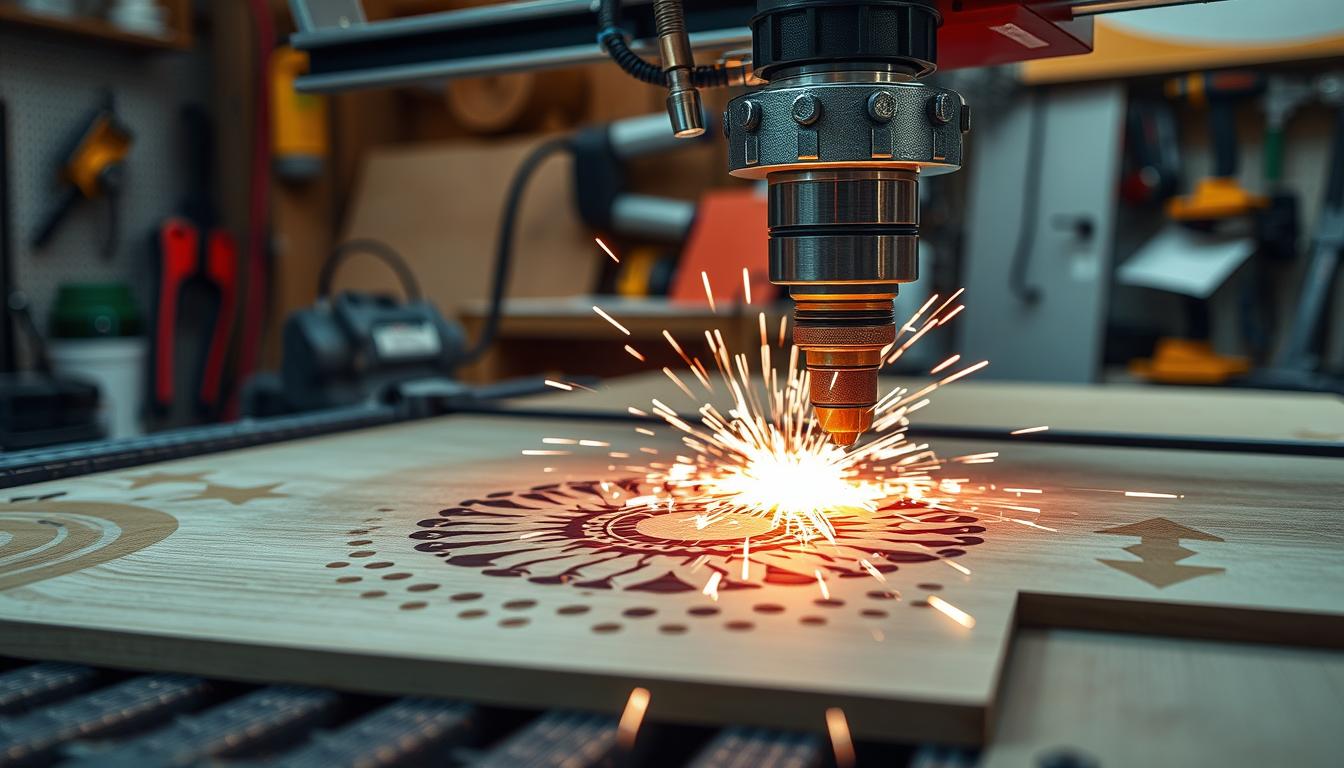
What makes one laser better than the others in the business world? It’s all about the unique features and advantages of Nd:YAG, CO₂, and fiber lasers.
There are a lot of lasers in the world, and they are used in a lot of different fields. Comparing different types of lasers is important when choosing the right one for cutting materials or doing medical procedures.
When you look into lasers, you can see that each type works in a different way and has its own uses. We can figure out which laser is best for each job by comparing them.
Key Takeaways
- It’s important to know the differences between CO₂, fiber, and Nd:YAG lasers so you can pick the right one.
- Different types of lasers work in different ways and have different uses.
- Comparing laser technologies helps you find the best laser for your business needs.
- The type of laser you choose depends on the material you are working with and what you want to happen.
- As laser technology gets better, it can be used in more and more ways.
Overview of Laser Types For Cutting
There are many kinds of lasers, such as CO₂, fiber, and Nd:YAG lasers. Each has its own advantages and ways of doing things. It’s important for businesses that use lasers to know these differences.
How CO₂, Fiber, and YAG Lasers Work
To make a laser beam, CO₂ lasers excite a gas mix, like carbon dioxide and nitrogen. This is what electrical excitation is. Nd:YAG lasers and fiber lasers, on the other hand, are solid-state lasers.
Rare-earth elements are used in fiber lasers to make light stronger. Nd:YAG lasers use a crystal that has neodymium in it for the same purpose.
The way these lasers work affects how they can be used. CO₂ lasers work well on things that aren’t metal, like wood and glass. Fiber and Nd:YAG lasers work better on metals, like for cutting and welding.
Comparing Important Characteristics
There are differences between CO₂, fiber, and Nd:YAG lasers. These differences have an impact on their performance and the tasks they are best suited for.
| Laser Type | Wavelength | Material Suitability | Power Range |
|---|---|---|---|
| CO₂ Lasers | 10.6 μm | Non-metallic materials | 20–50 kW |
| Fiber Lasers | 1.06 μm | Metallic materials | 1–12 kW |
| Nd:YAG Lasers | 1.064 μm | Metallic materials | 0.1–5 kW |
The table shows that CO₂ lasers work best on non-metals, while fiber and Nd:YAG lasers work best on metals. Their power ranges are also different, which affects how well they work and how they are used.
“The choice of laser technology depends on the specific requirements of the
application, including the type of material being processed and the desired
precision and speed.” –
Expert in Laser Technology
In short, it’s important to know how CO₂, fiber, and Nd:YAG lasers work and what their main features are. This knowledge helps pick the right laser for industrial needs.
Comparison of Technical Characteristics of Different Lasers Types

To choose the right laser for industrial use, you need to know the technical details of each one. The specifications of CO₂, fiber, and Nd:YAG lasers influence their performance and applicability across different domains.
Quality of the Beam and Wavelength
The wavelength of the laser is important for how it works with different materials. Nd:YAG lasers and fiber lasers work at a wavelength of 1.064 micrometers. In contrast, CO₂ lasers work at 10.6 micrometers. Because of this difference, CO₂ lasers work better on organic materials, while fiber/Nd:YAG lasers work better on metals.
The quality of the beam is also important. The Beam Parameter Product (BPP) is what you use to measure it. The beam quality of fiber lasers is better than that of CO₂ and Nd:YAG lasers. This makes them perfect for making precise welds and fine cuts.
Power Conversion and Efficiency
To understand costs and environmental impact, it’s important to know about laser efficiency and power conversion. Fiber lasers are very efficient; they turn more than 30% of electrical power into laser output. At 10–15%, CO₂ lasers are less efficient. Nd:YAG lasers are in the middle.
| Laser Type | Wavelength (μm) | Efficiency (%) |
|---|---|---|
| CO₂ Lasers | 10.6 | 10–15% |
| Fiber Lasers | 1.064 | 30%+ |
| Nd:YAG Lasers | 1.064 | 15–20% |
Managing heat and cooling
For a laser system to be stable and last a long time, it needs good cooling and thermal management. Because CO₂ lasers are less efficient and make more heat, they need more complicated cooling. Fiber lasers need less cooling because they are more efficient. This makes them smaller and use less energy.
The size and maintenance needs of the laser depend a lot on the cooling system you choose. To get the most out of laser systems in factories, you need to know these technical details.
Comparison of Material Interaction and Applications of Different Laser Types

Lasers cut, weld, and do other things differently with different materials. The kind of laser has a big effect on how fast and well these processes work.
Compatibility and absorption of materials
Different wavelengths of laser energy are absorbed by materials. For instance, CO₂ lasers that work at about 10.6 microns are great for working with organic materials like wood and plastic. Because of this, they are great for cutting and shaping these things.
On the other hand, metal reflects CO₂ laser beams, which makes them less useful for working with metal. But fiber lasers and Nd:YAG lasers with shorter wavelengths (about 1 micron) are better for metals. This is because they take in more easily.
Performance of cutting
Different types of lasers cut different materials in different ways. CO₂ lasers are great for cutting organic materials because they take in a lot of energy. Here are a few examples:
- Wood: CO₂ lasers cut wood quickly and leave smooth edges.
- Acrylic: CO₂ lasers are great for cutting acrylic because they make very precise cuts.
- Plastics: Depending on the type, some plastics cut well with CO₂ lasers.
Fiber lasers are the best tools for cutting metals because they absorb well and cut thick sheets of metal accurately. Nd:YAG lasers also work well on metals, but they need a lot of power to make deep cuts.
Performance of welding
To get strong, high-quality welds, you need to be very careful when welding with lasers. Fiber lasers are great for welding metals because they have a high beam quality and can absorb metal. Nd:YAG lasers are used for precise welding that needs to go deep.
CO₂ lasers are not as common for welding metal, but they can weld plastics and some composites. This is because metals don’t take in their wavelength as well.
In short, picking the right laser technology is important for both material interaction and application success. If you know how lasers work with different materials, you can choose the best one for your business or industrial needs.
Comparison of Cost of Different Laser Types

When you buy laser technology, you need to think about more than just the price. To make smart choices, you need to know all the costs.
First or capital cost
Buying a laser system costs a lot of money. The prices of CO₂ lasers, fiber lasers, and Nd:YAG lasers are all different. This is because they have their own tech and uses.
At first, fiber lasers may cost more. But they work better and don’t need as much care. In the long run, this could make their higher price worth it.
“The initial investment in a laser system is just the beginning.
Ongoing costs, including energy and maintenance, play a significant role in
the total cost of ownership.”
Expert in Laser Technology
Cost of running (energy, upkeep)
Different types of lasers have very different running costs, such as how much energy they use and how much it costs to keep them running. Fiber lasers are usually better at using energy. Over time, this can save you a lot of money.
| Laser Type | Energy Efficiency | Maintenance Cost |
|---|---|---|
| CO₂ Lasers | Moderate | High |
| Fiber Lasers | High | Low |
| Nd:YAG Lasers | Low | Moderate |
The table shows that fiber lasers are the best choice for saving money on energy and maintenance. This is why they are a great way to save money.
In short, don’t forget about ongoing costs, even though the first one is important. Businesses can make decisions that fit their budget and goals by looking at all of their costs.
Industry Applications of Different Laser Types

Many fields are changing because of CO₂, fiber, and Nd:YAG lasers. They are used for cutting and medical purposes. Businesses can grow and come up with new ideas because of their unique features.
Cutting and Making Things for Industry
You can cut a lot of things with CO₂ lasers, like metals and plastics. They are very strong and correct. They cut out detailed designs for making cars.
More and more people are using fiber lasers to cut things. They work well with things like copper. They are also easy to take care of and work well.
Marking and engraving with precision
Nd:YAG lasers are great for making precise marks and engravings. They work well on metals and plastics. This is great for the aerospace and electronics fields.
CO₂ lasers are also good for engraving, especially on things that aren’t metal. They take away material to make detailed designs.
Uses in Medicine and Science
Nd:YAG lasers are very important in medicine for accurate treatments. They are used in a lot of medical procedures.
People use CO₂ lasers in labs for spectroscopy and processing materials. Their high power is useful for research.
Many businesses need CO₂, fiber, and Nd:YAG lasers. As technology gets better, we’ll find new ways to use them.
Advantages and Limitations of Different Types of Laser
There are pros and cons to each type of laser: CO₂, fiber, and Nd:YAG. They can be used for a variety of tasks, such as cutting, welding, or marking. These differences are important for businesses that want to use laser technology.
Advantages and disadvantages of CO₂ lasers
CO₂ lasers are great for cutting things that aren’t metal with a lot of accuracy. They are used a lot in textiles and woodworking. But they have a hard time cutting metals and other reflective materials.
An expert in the field says, “CO₂ lasers have been a mainstay in industrial applications for decades, providing a reliable method for cutting and engraving various materials.” Their wavelength is just right for organic materials, which makes them great for signs and packaging.
The Good and Bad Things About Fiber Lasers
Fiber lasers are known for being very accurate and efficient, especially when cutting metals. They use less energy and need less care. But CO₂ lasers are better at cutting things that aren’t metal.
- Very accurate and efficient
- Efficient with energy
- Needs less upkeep
- Not very good at working with non-metallic materials
Advantages and Disadvantages of Nd:YAG Lasers
Nd:YAG lasers are flexible and can be used on both metals and non-metals. They have a lot of power at their peak and are great for engraving and marking. But they need more care and aren’t as effective as fiber lasers.
The type of laser technology you need depends on what you need it for. This includes the material, the level of accuracy needed, and the upkeep needs.
Final Thoughts
It depends on what you need to do when you choose between co₂ lasers, fiber lasers, and nd:yag lasers. Using CO₂ lasers to cut and engrave non-metal materials is a great idea. Fiber lasers, on the other hand, are great for cutting and welding metal. Nd:YAG lasers are great for jobs that need a lot of accuracy and specific interactions with materials.
Knowing the technical details and practical uses of each type of laser is very important. You can choose the best laser for your needs by looking at its wavelength, beam quality, efficiency, and price. This makes sure you get the best results and work quickly.
To sum up, comparing co₂ lasers, fiber lasers, and nd:yag lasers helps us see what each one is good at and what it’s not good at. This information helps people make good decisions and reach their goals.