
Copper Electroplating: How It Works and Its Common Applications
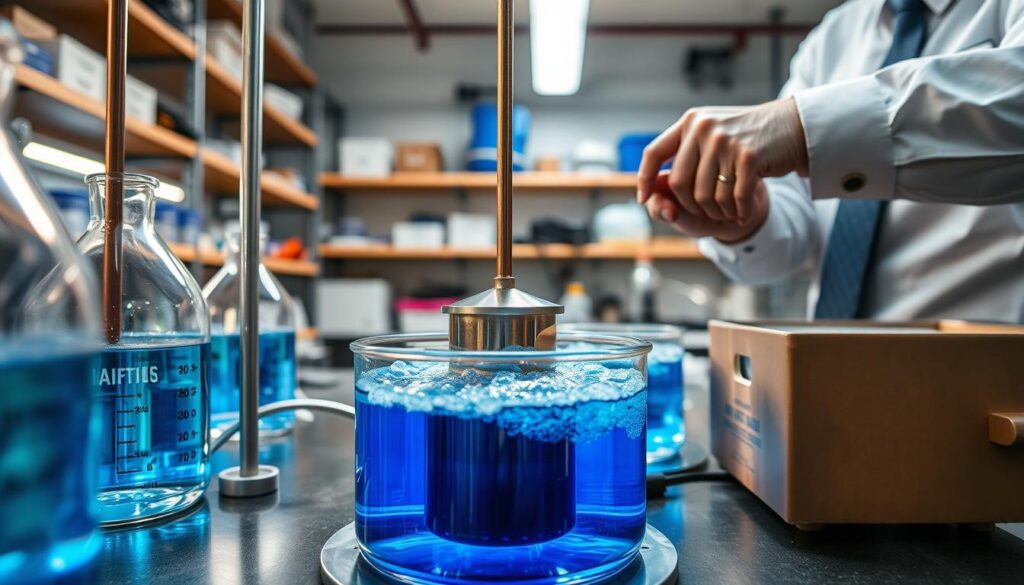
Ever wondered how some metal surfaces get a tough, corrosion-resistant coat? The secret is in copper electroplating.
This method uses an electrochemical process. It adds a thin copper layer to conductive surfaces in an electrolyte bath. This boosts the surface’s qualities.
The electroplating process is key because it makes metal parts last longer and look better. It’s a vital step in many industries.
Key Takeaways
- Copper electroplating is an electrochemical process that deposits a thin copper layer onto conductive surfaces.
- It enhances the durability and corrosion resistance of metal components.
- The process involves an electrolyte bath and is significant in various industrial applications.
- Copper electroplating is chosen for its ability to improve both the functional and aesthetic qualities of metal surfaces.
- It is a preferred method in industries where surface properties are critical.
Introduction to Copper Electroplating
Copper electroplating is a top choice for improving material properties. It involves adding a copper layer to a base using an electric current. This is key in electroplating.
Copper electroplating is very versatile. Copper is a favorite for plating because it works well in many fields. These include electronics, cars, and decorative items. It’s great because it conducts electricity well, is flexible, and can mix with other metals easily.
- High electrical conductivity, key for electronics and electrical work.
- Corrosion resistance, making the base last longer.
- Thermal conductivity, useful for managing heat.
Copper plating is used in many areas because of its benefits. Some main uses are:
- Boosting electrical conductivity in parts.
- Creating a protective layer on metal pieces.
- Adding beauty to decorative items.
To wrap up, copper electroplating is a valuable method. It offers many advantages across different sectors. Its special qualities make it perfect for plating, and its uses keep expanding with new tech.
What Is Copper Electroplating?
Copper electroplating is a method to add a copper layer to a material using electricity. It’s used in many fields because it makes materials better at conducting electricity, resisting corrosion, and looking good.
The term “copper electroplating” means using electricity to turn copper ions into a copper layer on a material. This happens when the material is dipped in a bath with copper ions and an electric current is applied.
“Electroplating is a key technology in modern manufacturing, enabling the creation of complex components with specific surface properties.” –
Industry Expert
The copper electroplating process needs a few things: a copper anode, a material to be plated (cathode), and a bath with copper ions. When electricity flows through the bath, copper ions turn into a copper layer on the cathode.
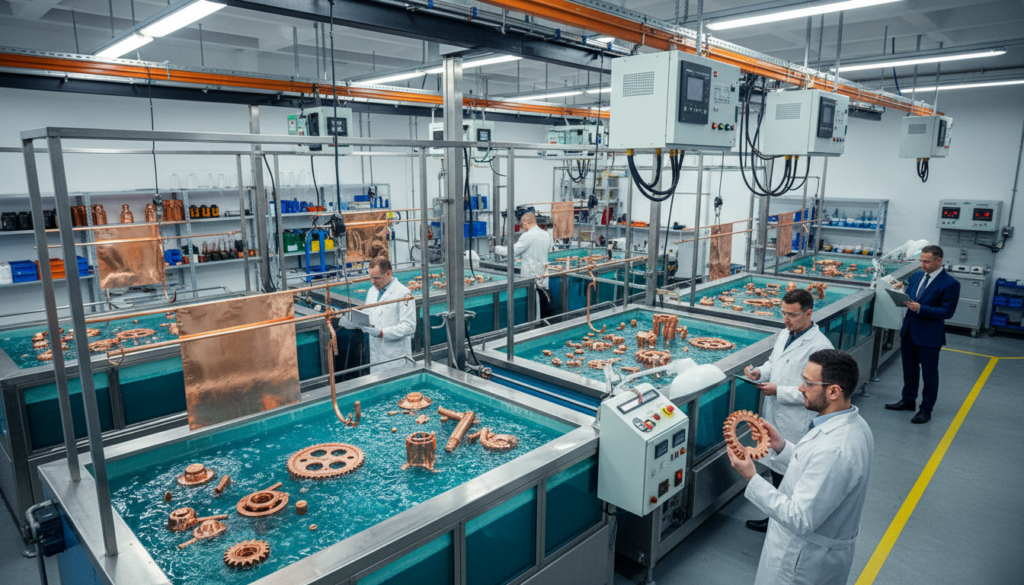
The term copper electroplating also includes getting the material ready, making the bath, and controlling the plating. This ensures the copper layer is the right thickness and quality.
Knowing about copper electroplating is important. It helps us see its uses and benefits in fields like electronics, cars, and decorative items.
How Copper Electroplating Works (Principle & Process)
Copper electroplating uses electrochemistry to deposit copper on a substrate. This method is key in fields like electronics and manufacturing. It’s because copper is very good at conducting electricity.
Electrolytic Cell Setup (Anode, Cathode, Electrolyte)
The heart of copper electroplating is the electrolytic cell. It has an anode (usually pure copper), a cathode (the metal to be plated), and an electrolyte (a copper ion solution). When electricity flows, copper ions from the anode go into the solution and stick to the cathode.
Cleaning and Surface Preparation
Before plating, the metal part must be cleaned and prepared. This ensures the copper layer sticks well. Cleaning involves removing dirt and oxides with degreasing, acid pickling, and rinsing.
Electrochemical Reactions & Ion Movement
Two main reactions happen during plating: oxidation at the anode and reduction at the cathode. At the anode, copper turns into Cu ions. At the cathode, these ions turn back into copper, sticking to the substrate. The electric field makes this happen.
Current Control and Plating Quality
Managing the electric current is key for quality copper plating. The current density impacts how fast copper is deposited and how well it sticks. Right current control means even plating and no defects.
| Parameter | Effect on Plating | Optimal Range |
|---|---|---|
| Current Density | Affects deposition rate and deposit microstructure | 10-50 A/m |
| Electrolyte Composition | Influences copper ion availability and deposit properties | CuSO4: 200-300 g/L; H2SO4: 50-100 g/L |
| Temperature | Affects electrolyte conductivity and reaction kinetics | 20-30°C |
Types of Copper Electroplating Chemistries
Copper electroplating uses different chemistries for various needs. The choice of chemistry affects the copper deposit’s quality, like its purity and how well it sticks to the base material.
Acid Sulfate Baths
Acid sulfate baths are a top choice for copper plating. They mix copper sulfate (CuSO4) with sulfuric acid (H2SO4) and additives. This acidic environment helps copper ions stick to the cathode, creating a smooth coat.
These baths are affordable, easy to keep up, and make high-quality copper. But, they might need brightening agents for the best look.
Alkaline Cyanide Baths
Alkaline cyanide baths were once key for copper plating. They use copper cyanide (CuCN) and sodium or potassium cyanide (NaCN or KCN) with additives. The cyanide complex controls copper ion release well.
Though they work great on complex shapes, they’re less popular now. This is because of toxicity and environmental worries with cyanides. Working with these baths needs careful safety steps.
Acid Fluoroborate & Other Electrolytes
Acid fluoroborate baths are good for fast copper plating. They mix copper fluoroborate (Cu(BF4)2) with fluoroboric acid (HBF4). Their high solubility means copper can deposit quickly.
Other baths, like pyrophosphate and citrate, are used for special needs. They offer benefits like better throwing power or special substrate compatibility.

Choosing the right chemistry depends on the job’s needs. This includes the copper’s properties, the base material, and environmental factors.
Advantages of Copper Electroplating
Copper electroplating has many benefits. It makes components work better and last longer. It boosts electrical, corrosion, and thermal conductivity.
Enhanced Electrical Conductivity
Copper electroplating makes components conduct electricity better. This is key in the electronics world. Copper’s high conductivity means signals move fast and with less loss.
Key benefits include:
- Improved signal transmission quality
- Reduced electrical resistance
- Enhanced performance in high-frequency applications
Corrosion Resistance & Durability
Copper electroplating also protects against corrosion. This makes components last longer. The copper layer keeps the substrate safe from damage.
Benefits of corrosion resistance:
- Extended lifespan of components
- Reduced maintenance costs
- Improved reliability in harsh environments
Thermal Conductivity & Heat Management
Copper is great at conducting heat. Copper electroplating helps manage heat well. This keeps components cool and safe to use.
| Application | Thermal Conductivity Benefit | Impact on Performance |
|---|---|---|
| Electronics | Enhanced heat dissipation | Improved reliability and lifespan |
| Automotive | Better thermal management | Increased efficiency and safety |
| Industrial | Reduced risk of overheating | Enhanced operational stability |
Improved Adhesion for Subsequent Coatings
Copper electroplating also helps coatings stick better. This is vital when you need multiple layers.
Advantages of improved adhesion:
- Better coating durability
- Enhanced overall performance
- Reduced risk of delamination
Applications of Copper Electroplating
Copper electroplating is key in today’s manufacturing. It’s used in many industries, showing its value and flexibility.
Electronics and PCB Fabrication
In the electronics world, copper electroplating is vital. It makes Printed Circuit Boards (PCBs) work better. This is because it boosts the electrical flow in PCBs.
Key applications in electronics include:
- Through-hole plating for reliable connections
- Surface finishing for improved solderability
- Enhancing signal integrity in high-frequency applications

Automotive and Industrial Components
In cars and machines, copper electroplating makes parts better. It fights off corrosion and boosts electrical flow. This helps vehicles and machines work better.
| Component | Benefit of Copper Electroplating |
|---|---|
| Electrical Connectors | Improved conductivity and corrosion resistance |
| Heat Exchangers | Enhanced thermal conductivity |
| Bushings and Bearings | Increased wear resistance and reduced friction |
Decorative and Architectural Finishes
Copper electroplating adds beauty to objects. It can make things look like bright copper or have an old look. This makes items look great.
Decorative applications include:
- Architectural elements such as door handles and fixtures
- Decorative items like vases and sculptures
- Jewelry and other personal accessories
Medical & Precision Parts
In medicine, copper electroplating is special. It fights off germs and makes medical tools better. Copper is perfect for some medical uses.
Medical applications include:
- Electroplating of surgical instruments for improved durability
- Creating antimicrobial surfaces for hospital equipment
- Enhancing the conductivity of medical devices
Design and Process Considerations
Design and process considerations are key to high-quality copper electroplating. They ensure the process meets all needed specs and performance standards.
Thickness and Uniformity Control
Getting the copper layer’s thickness and uniformity right is vital. It affects how well and long the electroplated part lasts. Several things influence this:
- Current density: The right current density helps copper deposit evenly.
- Electrolyte composition: The electrolyte’s chemicals affect how fast and evenly copper is deposited.
- Plating time: How long the plating process goes on determines the copper layer’s thickness.
- Agitation and circulation: Good flow and mixing of the electrolyte keep the plating even.
Getting even thickness on complex shapes is hard. Using shielding and conforming anodes can help make it more even.
Substrate Material Compatibility
The substrate material must work well with copper electroplating. It needs to handle the plating’s conditions, like the electrolyte’s chemicals and temperature.
Important things to think about for substrate material compatibility are:
- Surface preparation: The substrate’s surface must be clean and ready for the copper to stick well.
- Material properties: The substrate’s properties, like how it conducts and expands with heat, should match the plating process.
It’s very important to make sure the substrate material works well. If it doesn’t, the electroplated part might not stick well, crack, or have other problems.
Challenges and Limitations of Copper Electroplating
Copper electroplating has many benefits but also faces challenges. Ensuring the copper layer sticks well to the base is a big issue. If it doesn’t, the product might not last long.
The process of copper electroplating is complex. It needs careful control over things like current, the mix of chemicals, and temperature. If these aren’t just right, you might get uneven plating or other problems.
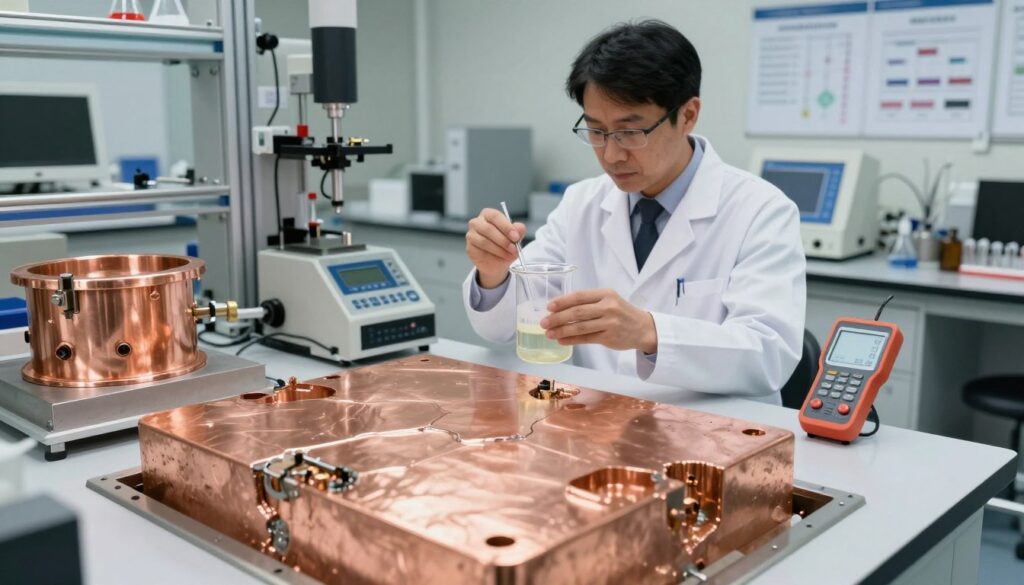
Getting the surface ready for plating is another big challenge. The base must be cleaned and prepared well for the copper to stick and plate evenly. This can take a lot of time and special tools.
There’s also the risk of hydrogen embrittlement in some materials. This can weaken the plated part, making it more likely to break under stress.
The environmental impact of copper electroplating is another concern. The chemicals used can be harmful if not handled and thrown away right. Companies must follow strict rules to protect the environment.
In summary, copper electroplating is useful but has its downsides. Knowing these, makers can work to improve their methods and get better results.
Safety, Environmental and Waste Management
Copper electroplating involves handling hazardous chemicals. This makes safety and environmental considerations very important. It’s a common technique in many industries, needing careful management of chemicals and waste to lessen its environmental impact.
Safety Considerations: The process uses toxic chemicals like cyanide and fluoroborate. These chemicals are harmful if not handled right. Workers must wear protective gear and work in well-ventilated areas to avoid harmful fumes.

Environmental Impact: Copper electroplating can harm the environment if not managed well. It can release heavy metals and chemicals into waterways, harming aquatic life and soil. It’s vital to have strict waste management practices to lessen this impact.
| Environmental Concern | Impact | Mitigation Strategy |
|---|---|---|
| Heavy Metal Discharge | Contamination of water and soil | Implement effective waste treatment systems |
| Chemical Usage | Air and water pollution | Use alternative, less harmful chemicals when possible |
| Energy Consumption | Contribution to greenhouse gas emissions | Optimize energy efficiency in electroplating processes |
Waste Management: Good waste management is key to reducing copper electroplating’s environmental impact. This includes recycling wastewater, recovering metals, and safely disposing of hazardous chemicals.
By focusing on safety and the environment, industries can lower risks from copper electroplating. They can also promote sustainable practices.
Summary / Conclusion
Copper electroplating is a versatile process with many uses. It involves adding a copper layer to a substrate using an electrolytic cell. This makes the material better at conducting electricity, resisting corrosion, and handling heat.
This method is used in many fields. It’s key in making electronics and PCBs, as well as in the automotive and industrial sectors. It’s also used for decorative and architectural finishes, and in medical and precision parts. Getting the copper layer right is important for quality.
In short, copper electroplating is a valuable technique. It makes materials better and is getting more important as technology advances. This means we can expect more innovation in this area.
This conclusion shows why copper electroplating is so important. It covers its main points and uses, showing its value across different industries.
FAQ
What is copper electroplating?
Copper electroplating is a method that adds copper to a surface. It uses an electrolytic bath. This makes the surface better at conducting electricity and resisting corrosion.
Why is copper used for electroplating?
Copper is great for electroplating because it’s very good at conducting electricity. It’s also soft and can form a thin, even layer. This makes it perfect for many uses.
What are the different types of copper electroplating chemistries?
There are several types of copper electroplating baths. These include acid sulfate, alkaline cyanide, and acid fluoroborate baths. Each has its own benefits and uses.
What are the benefits of copper electroplating?
Copper electroplating makes surfaces better at conducting electricity. It also helps them resist corrosion and improve thermal conductivity. Plus, it helps other coatings stick better.
What are the applications of copper electroplating?
Copper electroplating is used in many fields. It’s in electronics, car parts, decorative items, and medical tools. It makes these items work better and look nicer.
What are the design and process considerations for copper electroplating?
When doing copper electroplating, you need to control how thick the layer is. You also have to make sure the surface is right for plating. And you have to manage the process well to get good results.
What are the challenges and limitations of copper electroplating?
Copper electroplating can face problems like adhesion issues. It’s also hard to control the process. And you have to handle chemicals and waste carefully. This shows why managing the process well is key.
How is safety and environmental impact managed in copper electroplating?
Safety and the environment are important in copper electroplating. You handle chemicals carefully and manage waste. Following rules helps keep the process green.
Can copper electroplating be used on any substrate material?
Copper electroplating can work on many materials. But, you have to make sure the material is compatible. Some might need special preparation for the plating to work well.