
What’s Non-Ferrous Metal? In-Depth Overview
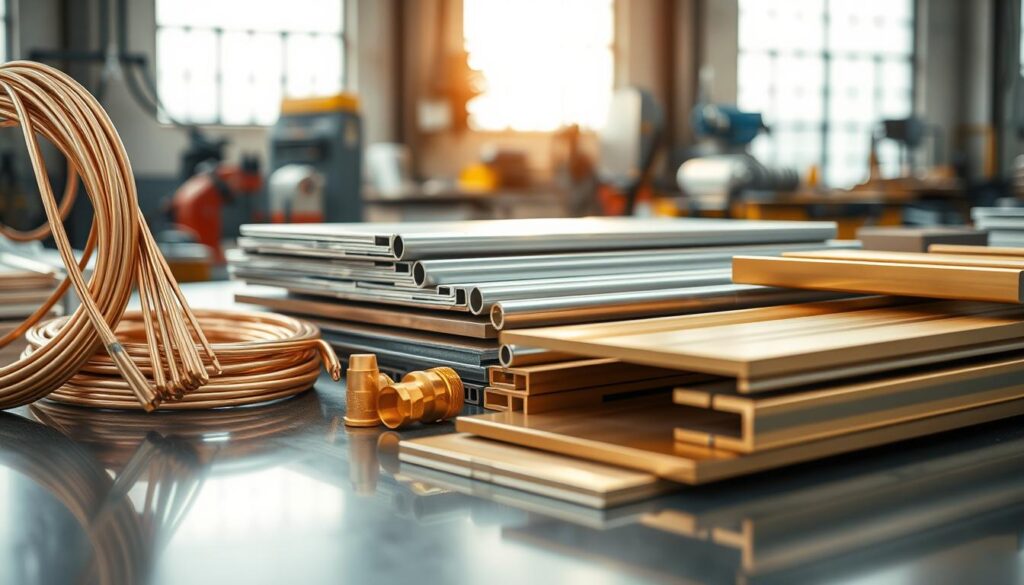
Ever wondered why some metals are so valuable and useful? It’s because of non-ferrous metals. These metals have played a big role in human history.
Non-ferrous metals don’t have much iron in them. This makes them special. They don’t rust easily and can carry electricity well.
The story of non-ferrous metals starts with ancient times. Copper was one of the first metals found. It changed the world from the Stone Age to the Copper Age.
Key Takeaways
- Non-ferrous metals lack iron as a major constituent.
- They have unique properties like corrosion resistance.
- Copper was one of the first non-ferrous metals discovered.
- The discovery of copper led to significant historical advancements.
- Non-ferrous metals are essential in today’s technology.
Introduction to Non-Ferrous Metals
Non-ferrous metals are special because of their unique traits. They differ from ferrous metals in many ways. This makes them very useful in lots of fields.
Some common traits of non-ferrous metals include:
- Corrosion Resistance: Many non-ferrous metals don’t rust easily. This is great for places with harsh conditions.
- Electrical Conductivity: Metals like copper are excellent at carrying electricity. This is why they’re key in electrical work.
- Lightweight Characteristics: Metals like aluminum are much lighter than others. This is why they’re used in cars and planes.
These traits make non-ferrous metals perfect for many uses. For example, they don’t rust, which is great for buildings and boats.
The versatility of non-ferrous metals is also seen in electrical wiring. Their ability to carry electricity is very important. Plus, they don’t attract magnets, which is useful in some situations.
In short, non-ferrous metals are vital in today’s world. Their wide range of uses shows how important they are. We need to keep finding new ways to use and make them.
What Are Non-Ferrous Metals?
Non-ferrous metals don’t have iron, which makes them useful in many areas. They are prized for being resistant to corrosion, good conductors, and light. These traits make them special.
Some examples of non-ferrous metals are aluminum, copper, lead, zinc, and titanium. They are used in construction, electronics, and transport. This is because they offer unique benefits.

Let’s look at how diverse and useful non-ferrous metals are in the table below:
| Non-Ferrous Metal | Key Properties | Common Applications |
|---|---|---|
| Aluminum | Lightweight, corrosion-resistant | Aerospace, packaging, automotive |
| Copper | High electrical conductivity | Electrical wiring, electronics |
| Lead | Dense, corrosion-resistant | Batteries, radiation shielding |
| Zinc | Corrosion-resistant, protective coating | Galvanizing steel, die-casting |
| Titanium | High strength-to-weight ratio, corrosion-resistant | Aerospace, medical implants, sports equipment |
Non-ferrous metals play a big role in today’s tech and buildings. Knowing about them and their uses helps us see their importance in various fields.
Properties of Non-Ferrous Metals
Non-ferrous metals are known for being lightweight, resistant to corrosion, and good at conducting electricity and heat. These traits make them popular in many industries.
Lightweight Characteristics
Non-ferrous metals are very light. Aluminum and titanium are much lighter than iron and steel. This makes them perfect for places where you need to save weight, like in airplanes and cars.
- Aluminum is used in planes and cars because it’s light and strong.
- Titanium is in sports gear and planes because it’s strong, light, and doesn’t rust.
Corrosion Resistance
Non-ferrous metals don’t rust as much as iron and steel. This is great for places where things get wet or are near chemicals.
- Copper and its mixes don’t rust, so they’re good for the sea and chemical plants.
- Zinc is used to protect other metals from rusting.
Electrical and Thermal Conductivity
Many non-ferrous metals are great at carrying electricity and heat. This is why they’re key in wiring, electronics, and heat exchangers.
- Copper is the best at carrying electricity and is used in wiring and circuits.
- Aluminum is in power lines and heat sinks because it’s light and conducts well.
Non-Magnetic Behavior
Most non-ferrous metals don’t attract magnets. This is important for places where you don’t want magnetic fields.
- Aluminum and copper don’t attract magnets, which is good for electronics.
Types of Non-Ferrous Metals
Non-ferrous metals like aluminum, copper, zinc, and lead are key. They have special properties and uses in many fields.
Aluminum
Aluminum is very popular because it’s light and doesn’t rust. It’s used a lot in planes, cars, and packaging. Plus, it can be recycled without losing quality.
Copper
Copper is great for carrying electricity and heat. It’s used in wiring, gadgets, and buildings. It’s also strong and doesn’t rust, making it good for pipes and roofs.

Zinc
Zinc is used to keep other metals from rusting. It’s also in die-casting and making alloys. Zinc helps protect buildings and cars from damage.
Lead
Lead is heavy and can be shaped easily. It’s in batteries, shields for radiation, and bullets. Even though it’s harmful, lead is important for these uses.
| Metal | Key Properties | Common Applications |
|---|---|---|
| Aluminum | Lightweight, corrosion-resistant | Aerospace, transportation, packaging |
| Copper | High electrical and thermal conductivity | Electrical wiring, electronics, architecture |
| Zinc | Corrosion protection | Galvanizing, die-casting, alloy production |
| Lead | Dense, malleable, radiation absorption | Batteries, radiation shielding, ammunition |
Non-Ferrous Alloys
Non-ferrous alloys are known for their special qualities. They are used a lot in making things and in engineering. These alloys improve strength, fight off corrosion, and conduct electricity well. This makes them great for many uses.
Brass and Bronze
Brass and bronze are very popular non-ferrous alloys. Brass, made of copper and zinc, is strong and doesn’t rust easily. It’s used in things like fixtures, fittings, and musical instruments. Bronze, mostly copper and tin, is strong too. It’s used in bearings, bushings, and sculptures.
Aluminum Alloys
Aluminum alloys are also very important. Mixing aluminum with copper, magnesium, or silicon makes them strong but light. This is why they’re perfect for the aerospace and car industries. They also don’t rust easily and can be recycled.
Titanium Alloys
Titanium alloys are known for being very strong, light, and resistant to corrosion. They’re used in things like aerospace, medical implants, and sports gear. Titanium alloys can handle very high temperatures and corrosive environments.
In summary, non-ferrous alloys are key in today’s manufacturing. They offer a mix of qualities that meet many industrial needs. Their flexibility and performance help drive technology and innovation forward.
Comparison with Ferrous Metals
Non-ferrous metals are different from ferrous metals in many ways. They have less iron, are less prone to rust, and don’t attract magnets. Knowing these differences helps us see how they are used and their limits.
Iron Content and Rusting Behavior
Ferrous metals have iron, which makes them rust easily when they get wet. Non-ferrous metals, on the other hand, don’t have iron. This means they don’t rust as much.
Corrosion Resistance: Metals like aluminum and copper don’t rust much. This is because they form a protective layer on their surface.
Magnetic vs. Non-Magnetic Properties
Ferrous metals are magnetic because of their iron. Non-ferrous metals, like aluminum and copper, aren’t magnetic. This is good for places where we don’t want magnets.
The table below shows the main differences between ferrous and non-ferrous metals:
| Property | Ferrous Metals | Non-Ferrous Metals |
|---|---|---|
| Iron Content | High | Low or None |
| Corrosion Resistance | Low | High |
| Magnetic Properties | Magnetic | Non-Magnetic |

In summary, knowing the differences between ferrous and non-ferrous metals is key. It helps us pick the right material for the job, based on their unique qualities.
Applications of Non-Ferrous Metals
Non-ferrous metals are used in many fields, like aerospace and consumer goods. They are key because of their special properties. These include being resistant to corrosion, good conductors, and light in weight.
Aerospace and Transportation
Aluminum and titanium are big in aerospace because they are strong yet light. They also resist corrosion and can handle extreme temperatures. This makes them perfect for planes and spaceships.
In cars and trucks, these metals help make vehicles lighter. This improves fuel efficiency.
Electrical and Electronics
Copper is a top choice for electrical and electronics work. It conducts electricity well. It’s used in wiring and circuits.
Gold and silver are also used for their conductivity and resistance to corrosion in electronics.
Construction and Architecture
In building, non-ferrous metals are used for roofs and walls. They last long and don’t rust. Aluminum is great for buildings because it’s light and strong.
Copper is chosen for its beauty and lasting power in buildings.
Consumer Goods and Packaging
Many everyday items use non-ferrous metals. Aluminum keeps food fresh in packaging. It’s also recyclable.
Copper and other metals are in cookware and other items. They conduct heat well and last a long time.
In summary, non-ferrous metals are used in many ways. They help in aerospace, construction, and making things for us to use every day. As technology gets better, we’ll need more of these metals.
Advantages of Non-Ferrous Metals
Non-ferrous metals have many benefits that make them popular in different uses. One key advantage is their ability to resist corrosion. This is great for areas with harsh conditions.
Corrosion Resistance: Metals like aluminum and copper don’t corrode easily. This means they don’t need to be replaced or fixed often. They’re perfect for construction, marine, and chemical industries.
Lightweight Characteristics: Many non-ferrous metals are light. This is a big plus when you need to save weight. For example, aluminum is used in airplanes to keep them light but strong.

Electrical and Thermal Conductivity: Metals like copper are great at conducting electricity and heat. They’re essential in wiring, electronics, and heat exchangers.
Some non-ferrous metals, like aluminum and copper, don’t attract magnets. This is useful in electronics and medical gear where you don’t want magnetic interference.
- Corrosion resistance reduces maintenance costs.
- Lightweight characteristics improve fuel efficiency in vehicles.
- High electrical and thermal conductivity enhances performance in electrical and thermal applications.
- Non-magnetic properties are beneficial in sensitive electronic equipment.
In summary, non-ferrous metals are valuable because they resist corrosion, are light, and conduct electricity well. These traits make them useful in many industries.
Challenges and Limitations
Using non-ferrous metals comes with its own set of challenges. These include higher costs and health risks. One major issue is their price; non-ferrous metals are pricier than ferrous ones. This makes them less affordable for many uses.
There’s also a health risk with some non-ferrous metals. For example, lead and cadmium are harmful and can be dangerous if not handled right. Safety measures and rules are key when working with these metals to reduce risks and protect the environment.
Non-ferrous metals vary in how easily they can be recycled and found. For instance, aluminum is easy to recycle, but others are not. This affects their green impact.

- They cost more than ferrous metals
- Some are toxic and pose health risks
- Availability and recyclability vary
- They need special handling and processing
It’s vital for industries using non-ferrous metals to know these challenges. They need to find ways to overcome these issues and make the most of these metals.
Recycling and Sustainability of Non-Ferrous Metals
Non-ferrous metals are great because they can be recycled over and over again. This makes them a key part of a sustainable future. They can be recycled indefinitely without losing their quality, which is why they’re so good for many industries.
Recycling these metals starts with collecting scrap. Then, it’s sorted by type and processed for reuse. This saves natural resources and cuts down on energy needed to make new metals. For example, recycling aluminum takes 95% less energy than making it from scratch.

- Conservation of Natural Resources: Reusing metals means we use less of the earth’s resources.
- Energy Efficiency: Recycling needs much less energy than making new metals.
- Reduced Environmental Impact: Using less energy means fewer greenhouse gases.
- Economic Benefits: Recycling creates jobs and boosts the economy.
Industries are also moving towards closed-loop production. This means materials are constantly cycled back into making new products. It cuts down on waste and the need for raw materials.
In short, the recyclability and sustainability of non-ferrous metals are key to a greener, more circular economy.
Summary / Conclusion
Non-ferrous metals are key in today’s industry. They have special properties and uses that are vital in many areas.
These metals are light, resistant to corrosion, and great at conducting electricity and heat. This makes them perfect for aerospace, electronics, construction, and more.
Non-ferrous metals are very important in many fields. They are used in transportation, packaging, and more. Plus, recycling them makes them even more valuable.
The need for non-ferrous metals will likely increase. This is because they offer unique benefits and are essential for sustainable and efficient materials.
FAQ
What are non-ferrous metals?
Non-ferrous metals don’t have iron in them. They are good at resisting corrosion, conducting electricity, and are light. This makes them perfect for things like planes, cars, and gadgets.
What are some examples of non-ferrous metals?
Metals like aluminum, copper, zinc, and lead are non-ferrous. Each has special qualities for use in building, electronics, and cars.
What are the properties of non-ferrous metals?
These metals are light, don’t rust easily, and conduct electricity and heat well. They also don’t attract magnets, which is great for many uses.
What are non-ferrous alloys?
Non-ferrous alloys mix different non-ferrous metals. Examples are brass, bronze, and aluminum alloys. They’re used in planes, cars, and buildings.
How do non-ferrous metals compare to ferrous metals?
Non-ferrous metals don’t have iron, so they don’t rust or attract magnets. This makes them better than ferrous metals in many ways.
What are the advantages of using non-ferrous metals?
They resist corrosion, are light, and conduct electricity well. These traits make them perfect for many uses.
What are the challenges and limitations of non-ferrous metals?
They can be more expensive and some may be harmful to health. These are the main downsides.
Can non-ferrous metals be recycled?
Yes, they can be recycled. Recycling them is key to making production more sustainable, as they can be reused forever.
What are some common applications of non-ferrous metals?
They’re used in aerospace, electronics, construction, and more. Their unique qualities make them ideal for these fields.
Are non-ferrous metals sustainable?
Yes, they can be sustainable because they can be recycled endlessly. This makes them a valuable resource for green production.