
Riveting vs Welding: Choosing the Right Method to Join Sheet Metal Parts
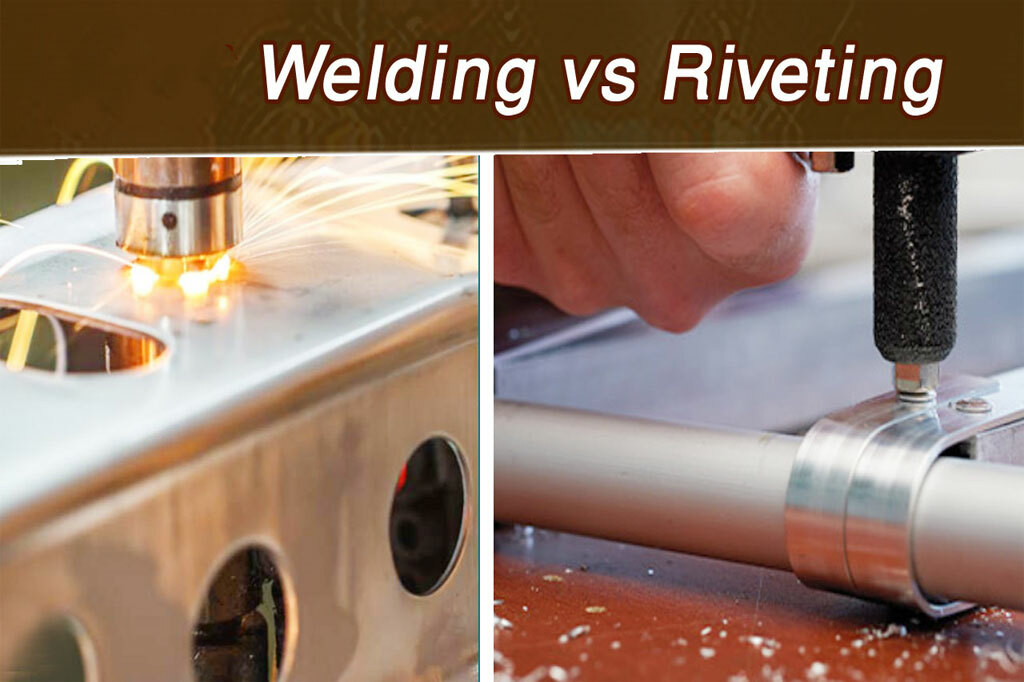
When joining sheet metal parts, manufacturers often have to make a big decision: should they rivet or weld? The method you choose will affect the product’s quality, cost, and how long it lasts.
Riveting and welding are important ways to make things and put them together. There are good and bad things about each. The choice depends on the needs of the project, such as the type of metal, the strength of the joints, and the size of the production.
Key Takeaways
- To make the right choice, you need to know the differences between riveting and welding.
- The decision to use riveting or welding depends on what the project needs.
- People often choose riveting when they need to take things apart.
- Welding makes a strong, permanent bond that can handle a lot of stress.
- The type of metal and the amount of production are important factors in choosing between riveting and welding.
Introduction to Riveting and Welding
Riveting and welding are two important ways to join sheet metal parts. Riveting uses a metal pin called a rivet to hold the parts together. After that, the ends of the rivets are shaped to hold the parts together.
Welding melts the pieces together and sometimes adds a filler. It makes a strong bond as it cools. This makes the joint as strong as the materials that were used to make it.
Both methods have their pros and cons, and they are used for different kinds of projects. Riveting or welding is the best choice based on the materials, the strength needed, and how the finished product will look.
| Characteristics | Riveting | Welding |
|---|---|---|
| How to Join | Using a metal pin (rivet) through holes that have already been drilled | Melting pieces together, with or without filler material |
| Strength of the Joint | Very strong, especially in shear | Can get very strong, maybe as strong as the base material |
| Compatibility of materials | Good for different kinds of materials | Best for materials that are the same, but some methods work with materials that are different. |
To pick the right method, you need to know the basics of riveting and welding. We’ll look at each technique in more detail to see how and why they work.
What Is Riveting?
Riveting is a strong way to connect two pieces of metal. Many fields, such as construction, cars, and space travel, have used this method.

Definition and Basic Principles
Riveting connects metal parts with a rivet. To start, each part has a hole drilled in it. After that, the rivet is pushed through the hole, and its tail is bent to keep it in place. To bend the tail, you need a special tool, like a rivet gun.
This method joins metals together without using heat. Riveting is a great way to connect different metals when welding isn’t an option.
Types of Rivets Used
There are many types of rivets, each with its own benefits.
- Solid rivets are the most common type and are needed for strength.
- Blind rivets, also called pop rivets, are used when you can only get to one side.
- Tubular Rivets: These are good for some jobs because they are flexible and have a hollow center.
- These are called bifurcated rivets and are used for soft materials like leather or plastic.
| Type of Rivet | Characteristics | Applications |
|---|---|---|
| Rivets that are solid | Strong and long-lasting | Building and aerospace |
| Rivets without holes | Simple to set up from one side | Cars and electronics |
| Rivets in Tubes | Flexible and good for soft materials | Crafts and furniture |
| Rivets that are split | Easy to set up, for soft materials | Leather goods and upholstery |
What Is Welding?
Welding is a technique used in many areas. It uses heat, pressure, or both to join metal parts together. This makes metals stick together in a strong and long-lasting way.
Definition and Basic Principles
Welding is a process that uses heat to melt metal parts together. It often has something else in it. The main idea is to heat the metals until they melt, then let them cool and harden together.
You need to keep an eye on the temperature and sometimes put pressure on it. The quality of the weld depends on a number of things, such as how clean the metal surfaces are, what kind of metal is being welded, and how good the welder is.
Common Welding Methods
There are a lot of different ways to weld in industry. Each one has its own pros and cons.
- MIG (Metal Inert Gas) Welding: This is a flexible and popular method that uses a continuous wire feed as the filler material and an inert gas to protect it.
- TIG (Tungsten Inert Gas) Welding: This type of welding is known for being clean and precise. It uses a tungsten electrode and an inert gas shield, and it doesn’t usually need filler material.
- Spot welding is a type of resistance welding that joins two metal sheets by applying pressure and electric current at certain points, making a strong weld in a small area.
Some other important ways to weld are arc welding, submerged arc welding, and laser beam welding. Each one is best for a different type of material and use.
| Welding Method | Key Characteristics | Common Applications |
|---|---|---|
| Welding with MIG | Continuous wire feed and an inert gas shield | Automotive, construction, and general fabrication |
| Welding with TIG | Tungsten electrode, inert gas shield, and precision | Aerospace, high-precision manufacturing, and art |
| Welding by Spot | Localized welds and resistance welding | Making cars, metal furniture, and appliances |
Key Differences Between Riveting and Welding
When putting together sheet metal parts, it’s important to know the difference between riveting and welding. Each method has its own pros and cons, and some tasks are better suited for some than others.

Strength and Load-Bearing Capacity
Rivets and welding are strong in different ways. Rivets make a strong, flexible joint that can handle stress and vibrations well. But a riveted joint might not be as strong as a welded one, which can be more solid and stiff.
Experts say, “The choice between riveting and welding depends on the needs of the project, such as how much weight the joint will hold.”
Heat and Thermal Effects
One big difference between riveting and welding is the heat. Welding melts the metal, which changes its structure and causes thermal distortions. Riveting, on the other hand, doesn’t have these problems because it is a cold process.
Material Compatibility
When choosing between riveting and welding, it’s important to think about how well the materials will work together. Welding can join a lot of metals, but you need to be careful about what materials you use so that you don’t make brittle compounds. Riveting can safely join metals of different types, which makes it useful for many things.
- Riveting is good for joining different metals.
- Welding needs careful material selection.
Aesthetics and Surface Finish
The way the joint looks is also important. Welding can make a joint that is clean, strong, and smooth. Riveting can make things look more textured because the rivets are easy to see.
To sum up, riveting and welding are very different. These things will help you choose the right sheet metal project.
Advantages of Riveting
Riveting is a flexible way to join things that has many advantages. It works well with a variety of materials and is simple to check. Riveting is easier than welding because you can take things apart and put them back together easily. This is great for when you might need to change or fix something later.
The benefits of riveting can be summarized as follows:
- Flexibility: Riveting is great when you need to change or take things apart.
- Easy to Check: Riveted joints are simple to check, while welded ones require special tools.
- Suitability for Different Materials: Riveting can join metals and metals with non-metallic things without any problems with welding.
- Riveting is great for putting together fragile parts that could be harmed by the heat of welding.
| Feature | Riveting | Welding |
|---|---|---|
| Being flexible | High: Makes it easy to take apart | Low—Usually not possible to change |
| Simple to Check | High – Easy to look at | Medium—needs more thorough inspection methods |
| Appropriateness for Diverse Materials | High: Can connect different materials | Low—can be hard because of how different the materials are. |
| Good for Fragile Parts | High—doesn’t make too much heat | Low – Makes a lot of heat that can hurt parts |
Advantages of Welding
Welding is a strong, long-lasting, and good-looking way to join sheet metal. It works well to connect metals and has a lot of benefits.
Welding makes joints that are both strong and last forever. This is important when parts have to deal with a lot of stress.
Welding works with a lot of different metals and thicknesses. This makes it a top choice in many areas, such as cars, planes, and building.

Welding not only makes strong joints, but it also makes them look good. You can change how the weld looks, which is great for things that need to look good.
Automation and Efficiency: You can also automate welding. It speeds things up and lowers costs, which is great for making a lot of things.
| Advantages | Description |
|---|---|
| Strong and Lasting Joints | Forms joints that don’t change shape very much and can handle a lot of stress. |
| Looks Good | Makes joints that look good and gives you a lot of control over how they look. |
| Efficiency and Automation | Can be automated to cut down on labor costs and make things run more smoothly. |
To sum up, welding is the best way to put sheet metal together. It looks good, is strong, and can be automated. These traits make it great for a lot of things.
Disadvantages / Limitations
It’s important to know what can go wrong with riveting and welding. These problems can change how well a project works, how long it lasts, and how much it costs. Picking the right method is very important.
Riveting can be costly due to the significant labor required and the expense of rivets. It also makes things heavier, which is a big deal in fields like aerospace and cars. Over time, rust can form on rivets that aren’t properly sealed, making the structure weaker.
To make strong joints, welding requires a lot of skill and accuracy. One big problem is that it can warp or change materials, which is bad if the heat isn’t kept in check. This heat can also change the way the material is made, which can make it weaker. Some materials are hard to weld and may not be able to be welded at all.
Key limitations to consider:
- Riveting: cost, more weight, and risk of corrosion.
- Welding: requires skill, can change the shape of materials, and changes the properties of materials when heated.
In short, riveting and welding are both good ways to join things, but they each have their own problems. Engineers and makers can choose the best method if they know about these problems. You can save time, money, and make the final product better with this.
Applications and Use Cases
You can make sheet metal parts by riveting and welding them. The choice is based on how strong, flexible, and good it looks.
It depends on the project’s needs whether to use riveting or welding. This includes the materials, how strong the product is, and how it looks.
When to Choose Riveting
Riveting is great for projects needing flexibility or parts that might be taken apart later.
- Flexibility and Disassembly: Rivets let parts move a little, which is great for structures that need to be flexible or easy to take apart.
- Different Materials: Riveting can safely join different materials without damaging them with heat, making it useful for a wide range of projects.
When to Choose Welding
Welding is best for projects needing lots of strength, rigidity, and a smooth look.
- High Strength and Rigidity: Welding makes a strong, long-lasting bond that is great for structures that have to hold up under a lot of stress.
- Aesthetics: The smooth finish of welding is great for projects where looks are important.

In short, choose riveting or welding based on what the project needs. Think about the materials, the product’s features, and any problems.
Cost, Equipment, and Skill Requirements
When choosing between riveting and welding, it’s important to think about the costs, the tools needed, and the skill level of the workers. Every method has its own requirements that can change how well a project goes.
Riveting costs money for things like rivets, drilling tools, and workers. The price of rivets depends on their size and material. The price of a drilling tool depends on its type and quality. Labor costs come from the time it takes to get ready and set rivets.
Key Cost Factors for Riveting:
- Size and material of the rivet
- Quality and price of drilling tools
- Time spent preparing and setting rivets
Welding, on the other hand, requires special tools and skilled workers. Welding tools are very expensive. Costs go up because of the skilled workers and energy used during welding.
Key Cost Factors for Welding:
- Costs for welding tools and upkeep
- Welding uses a lot of energy
- Costs of skilled labor for welders
Riveting uses both drilling machines and rivet guns. To weld, you need welding machines, torches, and safety gear. The price and difficulty of this equipment depend on the project and the materials used.

When riveting, you need to be very careful when drilling and setting rivets. It necessitates a comprehension of mechanics. Welding, on the other hand, requires both technical skills and knowledge of materials.
Skill Requirements:
- Riveting: Knowing how to drill and set rivets accurately and understanding how machines work
- Welding: Knowing how to weld and how metals work
Knowing how much things cost, what kind of equipment you need, and what skills you need can help you make better decisions. It chooses between riveting and welding for your project.
Summary and Comparison Table
This part sums up the most important findings and gives readers a table to help them choose between riveting and welding for joining sheet metal.
We have examined the definitions, principles, benefits, and drawbacks of both riveting and welding. Riveting is a way to fasten things together that is easy to check and take apart. It’s great for programs that need to be kept up. Welding, on the other hand, creates a strong, long-lasting bond. It’s great for jobs that require strength and a smooth finish.
To make the differences clearer, let’s look at a table that shows the main features of each method.

| Characteristics | Riveting | Welding |
|---|---|---|
| Power | High, but depends on the quality of the rivet | Very high, if done correctly |
| Heat involved | No heat involved | Involved a lot of heat |
| Compatibility of materials | Can connect different kinds of materials | Best for things that are alike |
| Looks | Visible rivets may need more finishing work. | Can get a smooth finish |
| Tools and Skills | Less skill needed, tools made just for riveting | Requires a lot of skill and special welding tools |
The comparison table shows that the best option for a project depends on what it needs. This includes the desired strength, types of materials, and look.
In short, riveting and welding are both good ways to put sheet metal parts together. Each has its own benefits and uses. Readers can make smart choices for their own needs by thinking about the differences and traits described in this article.
Final Thoughts
Whether you should rivet or weld depends on what your project needs. This includes the strength, material, and use that are needed.
There are good and bad things about both methods. When deciding how to join sheet metal parts, it’s important to think about these things.

Here’s a table that compares the most important parts of riveting and welding to help you make your choice:
| Aspect | Riveting | Welding |
|---|---|---|
| Power | High strength in tension | Very strong, can be as strong as the base material |
| Compatibility of materials | Good for different kinds of materials | Best for materials that are similar, but can also work with some materials that are different if you know how to do it right. |
| Looks | Rivets that are easy to see can look good if they are designed well. | Can make a smooth, clean joint with the right finishing. |
| Tools and Skills | Needs special riveting tools, but it’s easier to learn. | Needs welding tools and more skill. |
In conclusion, it’s important to know how riveting and welding are different. It helps you pick the best way to do your project.
FAQs
What sets riveting apart from welding?
Riveting uses a mechanical fastener to hold things together. Welding, on the other hand, uses heat to join materials together.
Is riveting or welding stronger?
Welding usually makes joints stronger because it melts the materials together. But riveting can also be strong enough for a lot of jobs.
Can you use riveting on any kind of material?
Riveting works on a lot of different materials, such as metals, plastics, and composites. But it’s important to make sure the materials work together.
Is welding good for all types of metal?
You can weld most metals. Some materials, like aluminum alloys or cast iron, need special tools or might not work with all types of welding.
How do I decide between riveting and welding for my work?
Think about how strong it needs to be, what it’s made of, how it looks, and whether or not you’ll need to take it apart. These things help you choose between riveting and welding.
Are there any safety rules that apply to welding and riveting?
Yes, both need to take safety steps. To avoid injuries and health problems, this means wearing protective gear and making sure that air flows well.
Can you take apart riveted joints?
Yes, one of the best things about riveting is that you can usually take apart joints by taking out the rivets. But this could hurt the parts.
Is it cheaper to weld than to rivet?
The cost of welding versus riveting depends on the project, the tools, and the cost of labor. Also, it depends on how much money you’re making.
What are some common uses for riveting and welding?
Riveting is used in some manufacturing, construction, and aerospace work. Welding is used a lot in construction, cars, and many other industrial fields.
Can automated systems be used for welding and riveting?
Yes, both can use robots and other special tools. This speeds up the work and makes it more consistent.