
What Is Rubber Molding? 3 Ways to Make Rubber Molded Parts
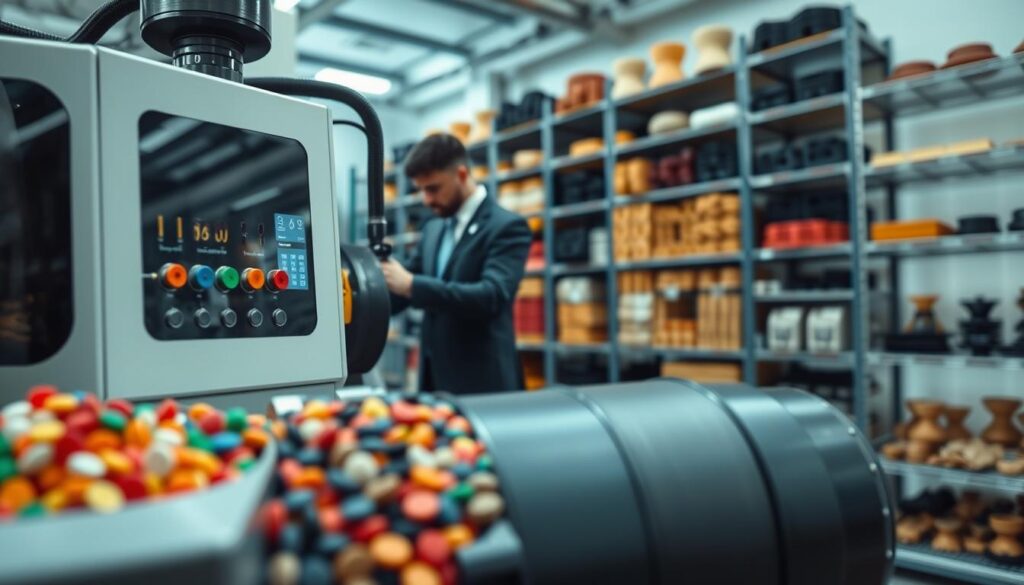
Ever wondered how car parts and seals are made so precisely? The secret is rubber molding. It’s not just cheap but also very accurate. That’s why it’s loved in many fields.
Rubber molding makes everything from simple seals to complex car parts. It uses different techniques, each with its own perks. Knowing these methods helps manufacturers get the most out of rubber molded parts.
Key Takeaways
- Rubber molding is a versatile and cost-effective manufacturing process.
- It offers high precision and accuracy, making it suitable for various industries.
- The process is used to create a wide range of products, from simple seals to complex automotive parts.
- There are multiple molding processes used to create rubber molded parts.
- Understanding these processes is key to getting the most from rubber molding.
Introduction to Rubber Molding
Understanding rubber molding is key for making top-notch rubber parts. It’s a way to shape rubber into many forms and products. These are used in many industries. This method is great for making complex rubber parts with exactness and consistency.
There are three main types of rubber molding: injection molding, compression molding, and transfer molding. Each has its own benefits and is best for certain uses. For example, injection molding is great for making lots of detailed parts. On the other hand, compression molding is better for bigger, simpler parts.
“The choice of rubber molding process depends on the specific requirements of the product, including its complexity, size, and material properties.”
Rubber molding is used in many fields like cars, industry, and electronics. It makes products like seals, gaskets, and other parts. This method has many pluses, like making parts with high precision and using different rubber materials.
The various rubber molding processes meet different needs and uses. Knowing these processes helps manufacturers pick the best one for their needs. This ensures they make high-quality rubber parts.
What Is Rubber Molding?
Rubber molding turns raw rubber into a product with the right shape and features. It’s key in making many rubber parts for different fields.
The rubber molding definition is about shaping raw rubber into a certain form. This is done through various molding methods, each for different needs.

First, raw rubber material is picked, which can be natural or synthetic. Then, it’s molded into the needed shape using a mold. Heat and pressure are used to vulcanize the rubber, making it strong and durable.
Vulcanization is vital in rubber molding. It makes the material better at handling heat, chemicals, and wear. This results in products that meet certain standards, like seals or gaskets.
Knowing what is rubber molding helps us see its importance in today’s making. It’s a flexible method that can make complex shapes accurately. This makes it vital in many sectors, from cars to gadgets.
Rubber Molding Processes
It’s important to know the different rubber molding processes. This knowledge helps choose the best method for making products. Rubber molding can create everything from simple seals to complex industrial parts.
Compression Molding
Compression molding is a well-known method in rubber molding. It starts with placing rubber into a mold. Then, high pressure and heat shape the rubber into the desired form.
Advantages: It’s cost-effective for making lots of parts. It works well for simple to moderately complex items.
Applications: It’s used for car seals, gaskets, and industrial parts.
Transfer Molding
Transfer molding melts rubber in a separate chamber. Then, it’s poured into a mold cavity and cured under pressure.
Benefits: It can make more complex shapes than compression molding. It also reduces waste.
Typical Uses: It’s good for electrical connectors, complex seals, and precise parts.
Injection Molding
Injection molding injects molten rubber into a mold under high pressure. This method is automated and can make parts with great detail and precision.
Advantages: It’s very efficient and accurate. It can also make complex parts.
Common Applications: It’s used for car parts, consumer items, and medical devices.
| Process | Advantages | Typical Applications |
|---|---|---|
| Compression Molding | Cost-effective, suitable for large production runs | Automotive seals, industrial components |
| Transfer Molding | Allows complex geometries, reduces material waste | Electrical connectors, complex seals |
| Injection Molding | High production efficiency, excellent dimensional accuracy | Automotive parts, consumer goods, medical devices |
Step-by-Step Rubber Molding Process
Making rubber parts is a detailed process. It ensures the final product meets all the needed standards. This process is key for making top-quality rubber parts for many industries.
Material Selection & Preparation
The first step is material selection. The right rubber material depends on the use, needed durability, and environmental resistance. Natural rubber and synthetic rubbers like EPDM and NBR are common choices.
Then, the material is cut to the right size and shape. This step is vital to fit the material perfectly into the mold.
Mold Loading
After preparation, the material goes into the mold. The mold shapes the rubber as desired. Precision in mold loading is key to avoid defects.

Heating and Pressure (Vulcanization)
Vulcanization changes natural rubber or similar polymers into stronger materials. It uses sulfur or other chemicals. Then, these materials are heated and pressed.
| Material | Vulcanization Temperature | Pressure Applied |
|---|---|---|
| Natural Rubber | 150°C – 200°C | 5 – 10 bar |
| Synthetic Rubber (EPDM) | 170°C – 220°C | 7 – 12 bar |
Demolding
After vulcanization, the rubber part is removed from the mold. This step needs care to avoid damage. The parts are then checked for quality and may need finishing.
Materials Used in Rubber Molding
The choice of material in rubber molding is key. You can choose from natural and synthetic rubber. Each has its own uses, making the right choice important.
There are two main types: natural rubber and synthetic rubber. Natural rubber comes from the latex of the rubber tree, Hevea brasiliensis. It’s known for being very elastic and strong against wear. It’s best for things that need to last a long time and stretch a lot.
Natural Rubber
Natural rubber is special because it can handle very hot or cold temperatures well. It also doesn’t change shape easily. It’s often used to make tires, belts, and other industrial parts. Its benefits include:
- High elasticity
- Good tensile strength
- Abrasion resistance
But, natural rubber can break down when it gets in contact with oils and some chemicals.
Synthetic Rubber (EPDM, NBR, SBR, etc.)
Synthetic rubber is made by humans to have certain qualities that natural rubber doesn’t. There are different kinds like EPDM, NBR, and SBR. Each has its own special traits and uses.
For example, EPDM rubber is great for outdoor use because it doesn’t break down in the weather. NBR rubber is good for places where oil and fuel are around, like in cars and factories.
Choosing between natural and synthetic rubber depends on what you need. You have to think about things like how it handles heat, chemicals, and how strong it is.
Design Considerations for Rubber Molding
To get the best results in rubber molding, you need to think about several important design factors. It’s all about understanding the material, the shape of the part, and how it’s molded. The quality and how well it works depend on these design points.
Material Selection is key in rubber molding design. Different materials have different levels of flexibility, strength, and how they handle the environment. For example, natural rubber is very elastic and strong. Synthetic rubbers like EPDM are great at handling heat and chemicals. You should pick a material based on what the part will be used for.
Part Geometry is also very important. The design should make it easy to remove the part from the mold without damage. You need to think about draft angles, wall thickness, and if there are undercuts. Parts with complex shapes might need more detailed molds, which can cost more.

The molding process is also a big deal in design. Each molding method, like compression, transfer, and injection molding, has its own needs and limits. For example, injection molding can make complex shapes and tight tolerances. But, it needs careful control of how the material flows and cools.
To make rubber molding design better, here’s a checklist to follow:
- Material properties and compatibility
- Part geometry and moldability
- Molding process capabilities and limitations
- Tolerances and dimensional stability
- Surface finish requirements
By looking at these design points carefully, makers can create rubber molded parts that meet certain standards. This improves the quality and how well the part works.
Applications of Rubber Molding
Rubber molding is very versatile. It’s used in many areas, like car parts and industrial machinery. Its parts are durable and flexible, making it useful in many industries.
Automotive Seals & Gaskets
In the car world, rubber molding makes seals and gaskets. These are key for keeping cars running well. They stop leaks and keep pressure right.
Examples include:
- Engine seals
- Transmission seals
- Door seals
“The precision and quality of rubber molded parts are critical for the overall performance and safety of automotive vehicles.”
Industrial & Machinery Components
In the industrial world, rubber molding makes important parts for machines. These include:
- Gaskets
- Seals
- O-rings
The durability of rubber molded parts makes them perfect for tough industrial settings.
Electrical & Electronics Uses
Rubber molding is also key in the electrical and electronics fields. It’s used for making things like:
- Insulators
- Connectors
- Seals for electronic devices
Using rubber molded parts in these areas helps keep electrical and electronic systems safe and reliable.
Quality Control in Rubber Molding
To ensure high-quality rubber molded parts, manufacturers must follow strict quality control protocols. Quality control is key in rubber molding. It affects the parts’ performance, durability, and function.
The rubber molding process has many stages where quality can slip if not watched closely. So, a detailed quality control plan is needed. It should include:
- Inspection techniques to spot defects or oddities in the molded parts.
- Material testing to check if the rubber compounds meet the needed standards.
- Process monitoring to keep the molding process under the best conditions.
Good quality control in rubber molding boosts product quality. It also cuts down on waste, makes production more efficient, and lowers costs. By using advanced inspection tools and strict testing, makers can make products that are more consistent and reliable.

When picking a rubber molding service, look at their quality control steps. A trusted maker will have a clear quality control process. This includes regular checks, constant monitoring of production, and a clear plan for fixing any issues.
The role of quality control in rubber molding is huge. It affects how well the molded parts work for their jobs. Whether for car seals, industrial parts, or electrical items, the rubber molded products’ quality is critical.
Benefits of Rubber Molding
The rubber molding process has many benefits. It helps lower production costs and improves product quality. One big advantage is its cost-effectiveness. This comes from using materials wisely and making lots of rubber parts with little waste.
Also, rubber molding is known for its high precision. It can make complex shapes and detailed designs. This precision is key in many industries where rubber parts are critical for product safety and performance.
Here is a summary of the key benefits of rubber molding:
- Cost-effectiveness through efficient material use and reduced waste
- High precision for complex geometries and detailed designs
- Versatility in producing a wide range of rubber components
| Molding Process | Cost-effectiveness | Precision | Versatility |
|---|---|---|---|
| Compression Molding | High | Medium | Medium |
| Transfer Molding | Medium | High | High |
| Injection Molding | High | High | High |
Being able to make complex rubber parts with precision is a big plus. This is very important in fields like cars, planes, and healthcare. The quality of rubber parts can directly affect safety and how well a product works.

Knowing the benefits of rubber molding helps manufacturers make better choices. They can pick the right molding method for their needs.
Challenges & Limitations of Rubber Molding
The rubber molding process is great for making complex rubber parts. But, it comes with some challenges and limits. Choosing the right rubber molding material is key to the product’s quality and performance.
Manufacturers face several hurdles when using rubber molding. These include material limits, high tooling costs, and complex mold designs. Material constraints affect the product’s strength, flexibility, and resistance to chemicals or extreme temperatures.
Tooling costs are a big issue. Making molds for rubber molding can be pricey, more so for complex or precise parts. These costs might stop some manufacturers or make certain projects hard to do.

To tackle these issues, manufacturers can try a few things. For example, they can make mold designs better to cut costs and boost quality. Also, picking the right rubber material for the job can help get around material limits.
Common Challenges in Rubber Molding
- Material constraints limiting product properties
- High tooling costs for mold design and manufacture
- Complexity of mold design affecting production efficiency
- Difficulty in achieving precise tolerances and surface finishes
| Challenge | Description | Potential Solution |
|---|---|---|
| Material Constraints | Limits on achievable product properties | Material selection and formulation optimization |
| Tooling Costs | High costs for mold design and manufacture | Mold design optimization, using cost-effective materials |
| Mold Complexity | Complex designs affecting production efficiency | Simplifying mold design, using advanced manufacturing techniques |
Knowing these challenges helps manufacturers plan better for rubber molding projects. This can lead to better products and lower costs.
Choosing the Right Rubber Molding Service
Finding the right rubber molding service is key to making top-quality products. Companies like Celerity Precision are known for their skill and experience in custom rubber molding.
Look at the provider’s material choices, mold design skills, and quality checks. A good rubber molding service can handle tough designs and keep quality high.
Celerity Precision is known for its precision and reliability in custom rubber molding. Working with them can lead to better product quality, lower costs, and quicker market entry.
When picking a rubber molding service, check their skills, certifications, and what others say about them. Doing your homework ensures you find a partner that meets your needs and delivers quality rubber parts.
FAQ
What is rubber molding?
Rubber molding is a way to make rubber parts. It shapes raw rubber into the desired form using a mold.
What are the main rubber molding processes?
The main processes are compression molding, transfer molding, and injection molding.
What is the difference between compression, transfer, and injection molding?
Compression molding presses the rubber into a mold. Transfer molding moves the rubber into a mold. Injection molding injects the rubber into a mold under pressure.
What materials are used in rubber molding?
It uses natural rubber and synthetic rubbers like EPDM, NBR, and SBR. Each has its own uses.
What are the benefits of rubber molding?
It’s cost-effective, precise, and versatile. These make it valuable in manufacturing.
What are the typical applications of rubber molding?
It’s used in automotive, industrial, and electrical fields. Applications include seals, gaskets, and more.
How is quality control ensured in rubber molding?
Quality control checks the products through inspection, material testing, and monitoring. This ensures the products meet standards.
What are the challenges and limitations of rubber molding?
It faces challenges like material limits, mold complexities, and process variability. Proper design, material choice, and control can help overcome these.
How do I choose the right rubber molding service?
Look at their experience, expertise, equipment, and quality control. This ensures they meet your needs.