
A Guide to the Most Common Types of Welding Joints
Welding joints are important for making things. They change how strong, long-lasting, and good the products are. What are welding joints, and why are they so important?
Welding joints are the places where two or more pieces of metal come together and are welded. The way these joints are put together has a big effect on how strong and good the part is.
There are many different kinds of welding joints, and each one has a different job. To make good welds, you need to know the differences.
Key Takeaways
- To make good parts, you need to know how welding joints work.
- The strength and durability of a product depend on how the welding joints are made.
- There are different types of welding joints that are used for different things.
- To make good welds, you need to design the weld joint well.
- The quality of the part as a whole depends on the welding joints.
Introduction to Welding Joints
It’s important to know about welding joints before you start welding. They choose how strong and long-lasting the final product will be. When two pieces of metal are joined by welding, that is called a weld joint. You can do this with or without a filler.
There are a few things that will help you decide which type of weld joint to use. This includes how thick the materials are and how strong the weld needs to be. Some joints are stronger, more flexible, and better at handling stress than others. Some joints are better for heavy loads, while others are better for when you need to be flexible.
Welding professionals say that picking the right weld joint is very important. It makes sure that the piece that was welded is strong and lasts a long time. This is why it’s important to know about the different types of welding joints and when to use them.
Welding joints are very important to the process of welding. They help metal parts stick together better. Welders can make their work better and more reliable by learning about the different types of welding joints and how to use them.
What Are Welding Joints?
Welding joints are used to connect two or more metal pieces. To make strong welds, you need to know about them.
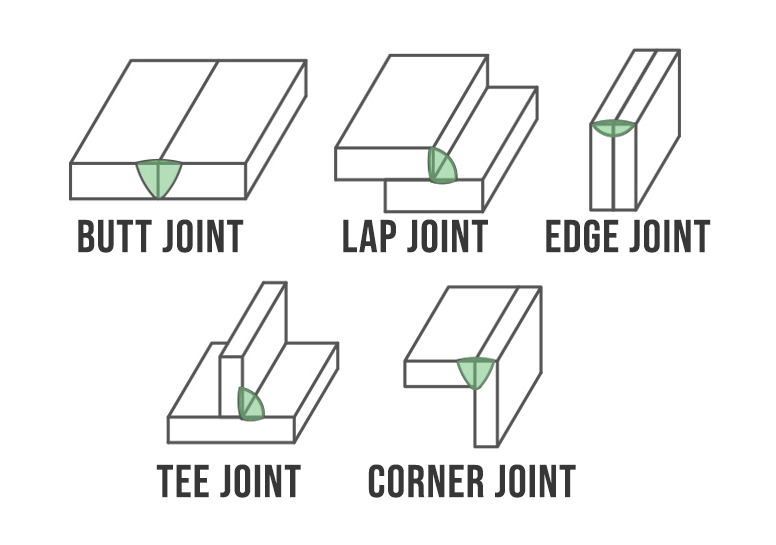
The American Welding Society lists five basic types of welding joints. These are: butt joints, lap joints, T-joints, corner joints, and edge joints.
- Butt joints join two metal pieces end-to-end.
- Lap joints involve overlapping two metal pieces.
- T-joints are formed when two metal pieces are joined at a right angle.
- Corner joints connect two metal pieces at their edges, forming a corner.
- Edge joints are used to join two metal pieces along their edges.
Experts in welding say, “The kind of joint used can have a big effect on how strong and good-looking the weld is.”
“Selecting the right joint type is critical for ensuring the structural integrity of the welded assembly.”

Different types of joints have different uses and needs. Butt joints are a common type of welding used in pipelines. In sheet metal fabrication, lap joints are often used.
Welders and engineers can pick the right joint by knowing what each one is like. They think about how strong it needs to be, how thick the material is, and how easy it is to get to.
Classical Types of Welding Joints
To make strong welds, you need to know the different types of welding joints. A lot of welding methods start with these joints. They help make sure that the final product is strong and lasts a long time. The butt, lap, tee, and corner joints are the most common types. Each has its own purpose.
Butt Joint
When two pieces of metal are welded together at their edges, they form a butt joint. It’s easy to use and works well. You can find butt joints in a lot of places, like pipelines, sheet metal, and steel used to build things.
Lap Joint
To make a lap joint, two pieces of metal are laid on top of each other and welded together. It’s great for putting metal sheets together. Because it’s strong, it’s used a lot in cars and planes.
Tee Joint (T-Joint)
Two metals meet at a 90-degree angle in a tee joint, which makes it look like a “T.” It’s necessary for making frames. Because it’s strong, it’s used in ships and buildings.
Corner Joint
When two pieces of metal meet at a right angle, they make a corner joint. People use it to make tanks and boxes. You can weld it from one side or both sides, depending on what you need.
In short, the main welding joints—corner, tee, butt, and lap joints—are very important. It’s important to know how to use them if you want to make strong, long-lasting welds.
Variants and Subtypes of Weld Joints
To make good welds, you need to know the different kinds of weld joints. Weld joints are more than just the basic types. They come in many different types to meet different welding needs and methods.
There are many different types of weld joints. We can use different welding methods, materials, and applications with this range. There are two main types of joints: groove joints and fillet joints. Each one has its own features and uses.
Groove Joint Variations (V‑Groove, U‑Groove, J‑Groove, etc.)
There are different ways to make groove joints that are strong and allow for deep penetration. One or both of the pieces to be welded have a groove cut into them. There are many ways to do this.
Some common groove joint variations include:
- V-groove: This V-shaped groove is used for welding thick materials and achieving deep penetration.
- U-groove: This U-shaped groove is good for welding very thick materials and making a strong weld.
- J-groove: This J-shaped groove is used for welding thick materials from one side. It offers a strong and reliable weld.
Experts in welding say, “The type of groove joint preparation you choose depends on the thickness of the material, the welding process, and the properties you want the weld to have.”
“Choosing the right groove type is critical for ensuring the quality and strength of the weld.”

Fillet Joint Styles (Spot, Plug, Slot, Flare‑Bevel, etc.)
Another important type of weld joint is the fillet joint. They are used in a lot of welding jobs. There are different styles of fillet joints based on the needs of the weld, such as the type of load, how easy it is to get to, and the properties of the material.
Some common fillet joint styles include:
- Spot welding is a way to connect two pieces at a certain point, making a strong weld in that spot.
- To plug weld, you fill a hole in one piece with weld material to connect it to another piece.
- Slot weld: This is a way to connect two pieces along a slot, making a strong bond over a larger area.
- Flare-bevel weld: a type of welding that combines a bevel and a flare to join curved or angled surfaces.
The type of fillet joint you need depends on the job, the material’s properties, and the weld’s desired characteristics. Welders can make sure that the welded part is strong and works well by choosing the right fillet joint style.
Welding Symbols for Joint Types
Standardized symbols for welding make plans for welding easy to understand. They show the type, size, and length of the weld. This makes it easier for designers, engineers, and welders to talk to each other.
Welding symbols are important for different types of joints, such as butt, lap, and tee joints. Welders can meet standards better if they know these symbols.
- Groove weld symbols show what kind of groove it is and how big it is.
- Fillet weld symbols show how long and wide fillet welds are.
- Symbols for plug and slot welds: for plug and slot welds.
To get better welding, it’s important to:
- Be aware of what each welding symbol means and when to use it.
- Make sure that the welding symbols on the design plans are easy to read.
- Check that welders can read and use these signs correctly.
By following these tips and using standard symbols, welders can make strong welds. These welds will meet all the requirements.
Joint Selection Criteria (Strength, Load, Access)
Picking the right weld joint is very important. It changes the strength of the weld, how much weight it can hold, and how easy it is to get to. The decision depends on how thick the material is, how strong it needs to be, and how easy it is to get to.
There are a few important things to think about when choosing a weld joint. These include what kind of load the weld will have to hold, how strong it needs to be, and how easy it is to weld there.
Key Considerations for Weld Joint Selection
- Strength: The weld joint must be able to handle the loads and stresses that are expected.
- Load: Different kinds of loads (tensile, compressive, shear) need different kinds of joints.
- Access: The joint you choose must make it easy to get to the welding area.
The following table summarizes the key factors to consider when selecting a weld joint type:
| Joint Type | Strength | Load Type | Access Requirements |
|---|---|---|---|
| Butt Joint | High | Tensile, Compressive | Easy |
| Lap Joint | Medium | Shear | Moderate |
| Tee Joint | High | Tensile, Compressive, Shear | Moderate |

Welders can make sure their work meets the required standards by thinking about these things and choosing the right weld joint. It will also work well in a variety of situations.
Applications of Different Weld Joints
Weld joints are very important in a lot of different fields, like making sheet metal and building things. Choosing the right weld joint is very important for the strength and durability of a product.
Structural and Construction Uses
Weld joints connect steel beams and plates in building and construction. The butt joint is a great choice because it’s simple to use and works well.
Welded joints must be able to handle loads and the weather when building.
Pipe and Pressure Vessel Welding
Weld joints for pipe and pressure vessels need to be able to handle high heat and pressure. People often choose the groove joint because it is strong and seals tightly.
Shielded metal arc welding (SMAW) and gas tungsten arc welding (GTAW) are two methods used to weld pipes.
Sheet Metal Fabrication
Weld joints hold together thin sheets of metal in sheet metal work. People like the lap joint because it’s easy to use and works well.
Sheet metal work uses techniques like spot welding and seam welding.
| Application | Common Weld Joint | Key Considerations |
|---|---|---|
| Structural and Construction | Butt Joint | Load-bearing capacity, environmental resistance |
| Pipe and Pressure Vessel | Groove Joint | Pressure resistance, leak-tight seal |
| Sheet Metal Fabrication | Lap Joint | Aesthetic finish, structural integrity |
Differences Between Joint Types
There are different types of welding joints, and each one has its own pros and cons. The butt joint is easy to use and works well for joining metal ends together. It’s great for a lot of things.
When one piece of metal overlaps another, the lap joint is used. It’s tough, which makes it perfect for working with sheet metal. The tee joint, also called a T-joint, connects two pieces at a 90-degree angle. It’s common in building things.

The corner joint is used to connect metal at corners, usually in structures that look like boxes. The project decides how to use each joint. These are the load, how easy it is to get to, and how strong the weld is.
- Butt Joints are great for high strength and little distortion.
- Lap Joints are simple and effective for sheet metal.
- Tee Joints add significant strength in structures.
- Corner Joints are good for making boxes and frames, giving a clean look.
To improve your welding, you need to know the differences between the different types of joints. When picking the right joint, it’s important to think about the type of metal, its thickness, and how it was welded.
Welders can make strong welds by choosing the right joint for the job. Taking care of your equipment and getting the right training are also very helpful.
Conclusion
To make good welds, you need to know the different types of weld joints and what they are used for. Every kind of joint, such as butt, lap, tee, and corner, has a different job. They are used in many different ways.
There are a few things to think about when choosing the right weld joint. These include how strong it needs to be, what kind of load it needs to hold, and how easy it is to get to the joint. It’s very important to make sure the weld joint is designed and done correctly. It makes the welded part strong and long-lasting.
In short, it’s very important to use the right welding joints in a lot of different fields. Building, making, and fixing things are all part of this. Welders and engineers can make sure their work is of the highest quality by learning about the different types of weld joints and how to use them.
The American Welding Society has more information on welding joints and how to use them. They give you a lot of information and rules.
FAQs
What are the five main types of welding joints that the American Welding Society knows about?
There are five main types: butt joints, lap joints, T-joints (or Tee joints), corner joints, and edge joints.
What is the difference between a lap joint and a butt joint?
A butt joint is when two pieces are put together at their ends. A lap joint is when one piece goes over the other.
What are the different uses for groove joints?
Different types of groove joints, such as V-groove, U-groove, and J-groove, are made for different types of welding. They help get deep penetration or a lot of strength.
How do welding symbols show what the weld needs to be like?
Welding symbols tell you what kind of weld it is, how big it is, and other things. They make sure that the welding specifications are clear and correct.
What factors affect the decision of what type of weld joint to use?
Material thickness, desired weld strength, load, and access are all important factors. They help you pick the right type of weld joint.
What are some common uses for T-joints and corner joints?
People often use T-joints to build things. People use corner joints to make box-like structures and work with sheet metal.
What are the differences between different styles of fillet joints?
There are different types of fillet joints, such as spot, plug, slot, and flare-bevel, and they can be used in different ways. They work best with certain loads or thicknesses of material.
Why is it important to design weld joints correctly?
For good welds, it’s important to design the weld joint correctly. It makes sure that the structure is sound and meets the needs of different applications.