
Precision Casting (Investment Casting) Services in China
Producing Highly Complex, Near-Net-Shape Metal Parts with Superior Accuracy and Surface Finish.
- ISO 9001 Certified
- Wide Alloy Selection
- Reduced Machining Costs
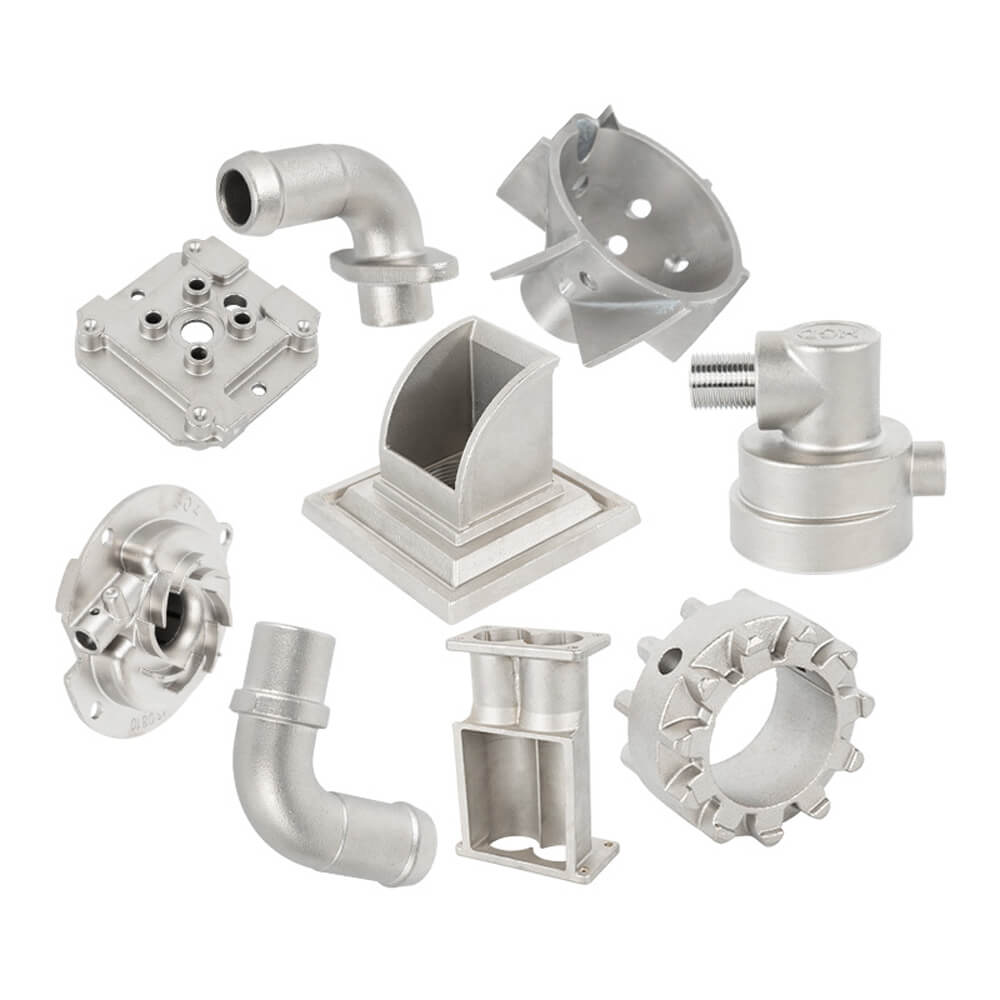
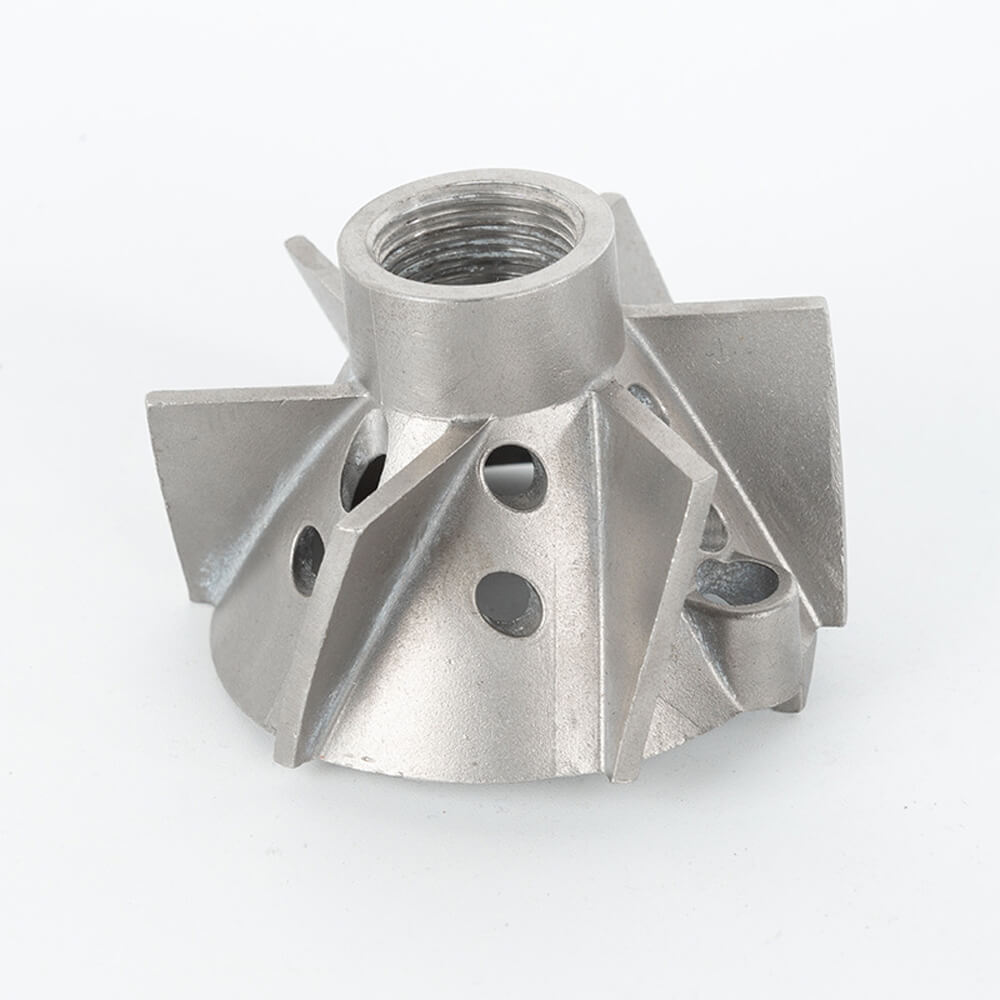
Your Expert Partner for Precision Casting
Celerity Precision offers high-quality precision casting services in China, utilizing the investment casting process (also known as “lost-wax casting”) to create intricate and highly accurate metal components. This advanced foundry method involves creating a wax pattern of the part, coating it in a ceramic shell, melting out the wax, and then pouring molten metal into the resulting ceramic mold. Investment casting is unparalleled in its ability to produce complex, near-net-shape parts with fine details and an excellent as-cast surface finish, making it ideal for aerospace, medical, and industrial applications.
A Complete Solution from Pattern to Finished Part
We provide an end-to-end investment casting solution, managing every technical stage of the process to ensure the highest quality and integrity for your components.
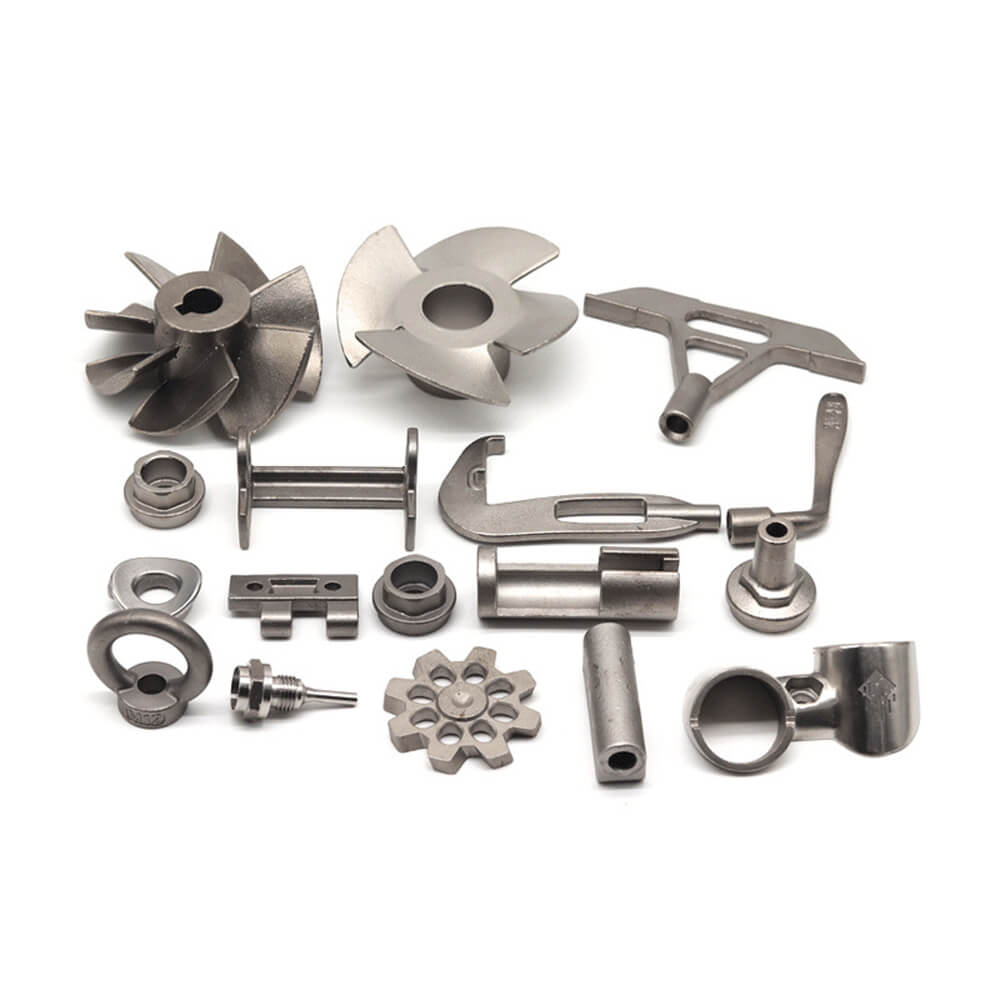
Expert Tooling and Wax Pattern Injection
The process begins with a high-precision aluminum mold used to inject wax patterns. Our expertise in tooling design ensures the wax patterns are dimensionally accurate, accounting for material shrinkage and providing the foundation for a perfect final part.
Robotic Ceramic Shelling
We utilize automated robotic dipping to build the ceramic shell around the wax patterns. This automated process ensures a perfectly uniform and consistent shell thickness, which is critical for dimensional stability and preventing casting defects.
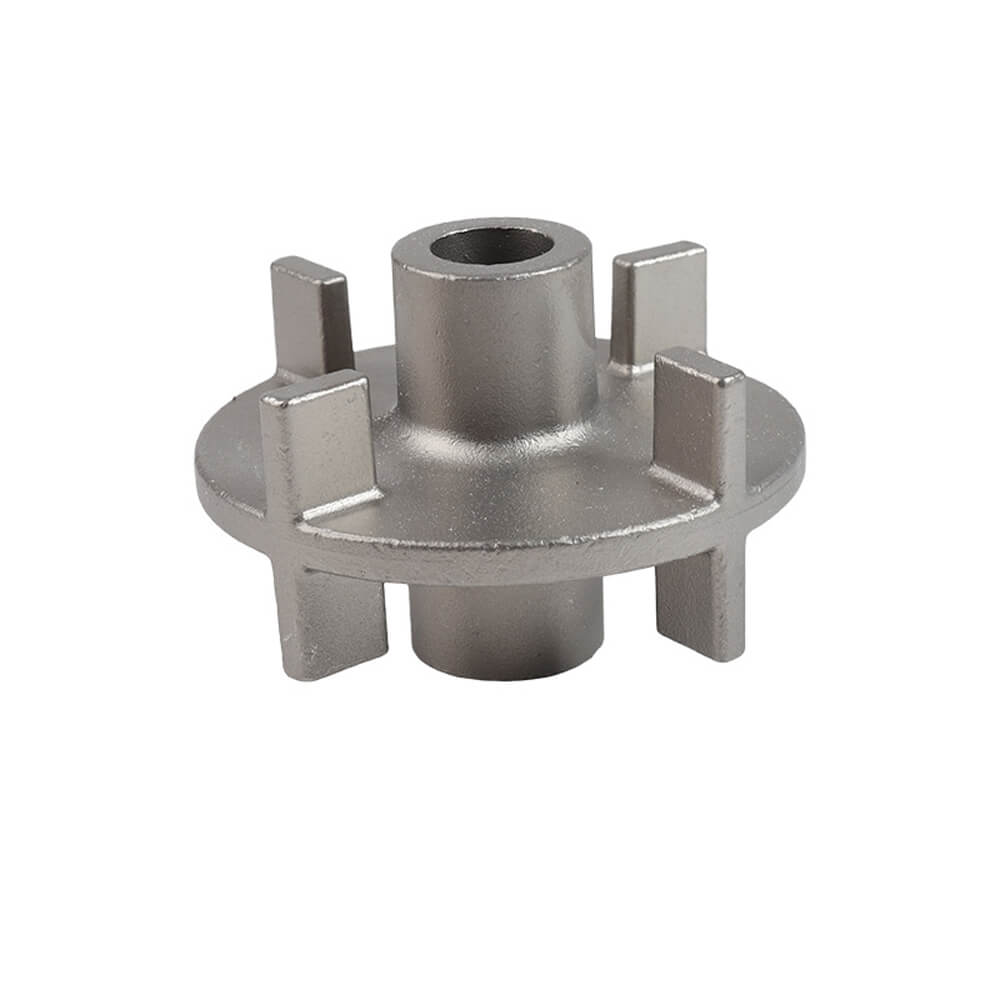
Wide Alloy Selection & Pouring
Our foundry is equipped to pour a vast range of both ferrous and non-ferrous alloys, including stainless steel, carbon steel, aluminum, and copper-based alloys. We use controlled melting and pouring processes to ensure the metallurgical purity and integrity of every cast part.
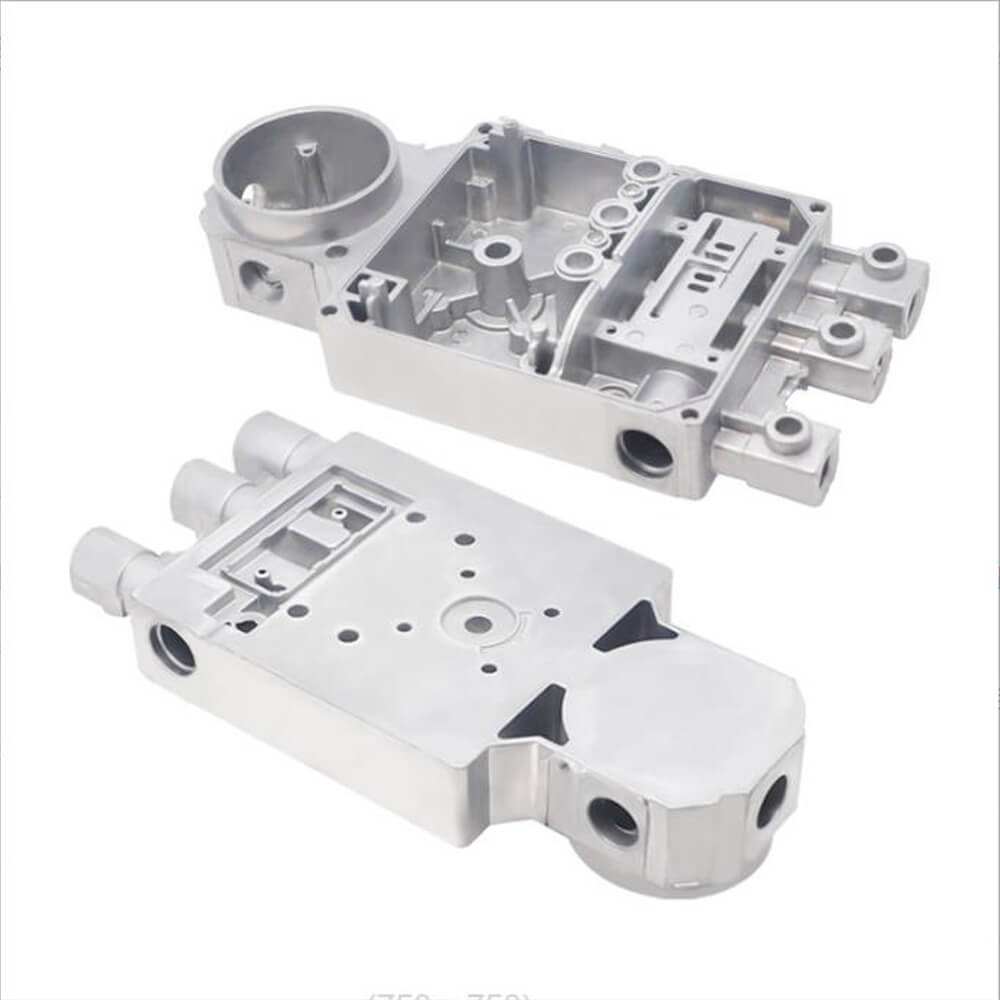
Finishing and Secondary Machining
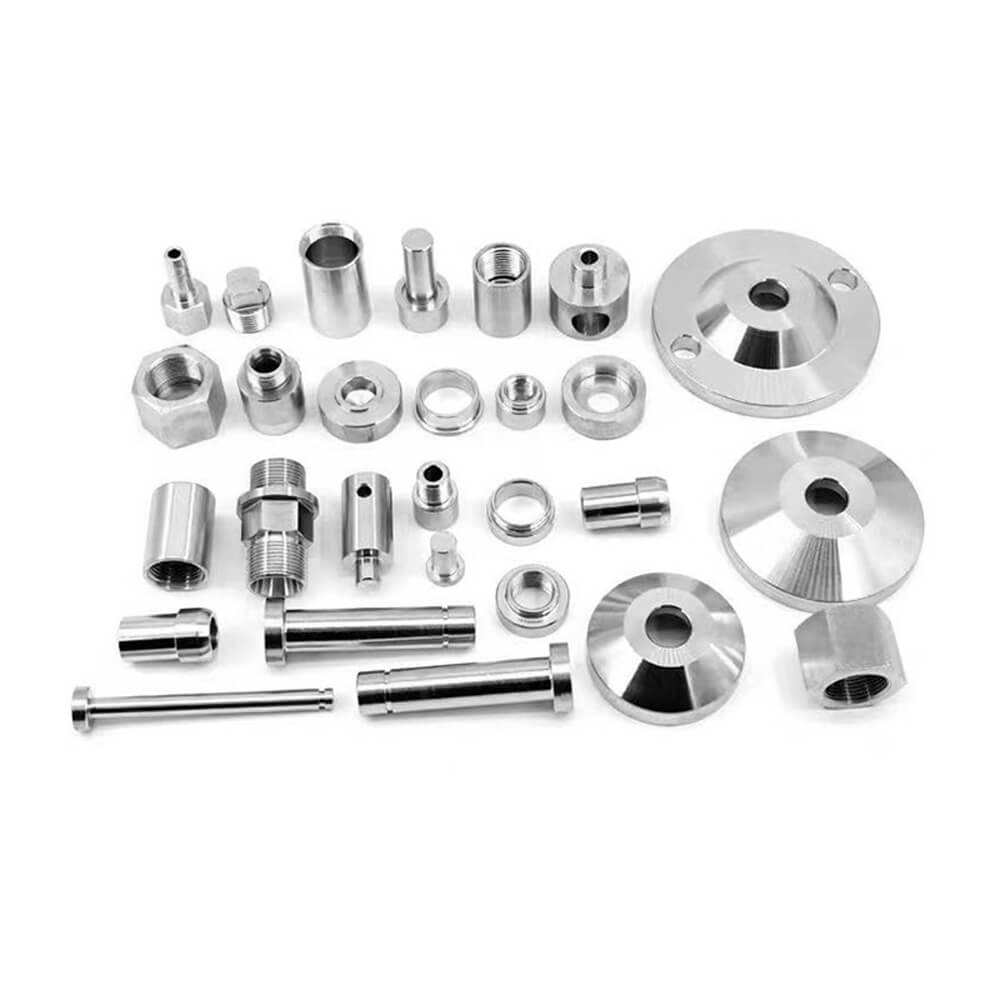
After casting, parts go through finishing processes like gate grinding and sand blasting. While investment casting produces near-net-shape parts, we also provide in-house precision CNC machining for any features that require tolerances tighter than what the casting process can hold, such as critical bores or mating surfaces.
An Extensive Range of Castable Alloys
Investment casting is compatible with a very wide range of metals, allowing for great flexibility in material selection for performance and application.
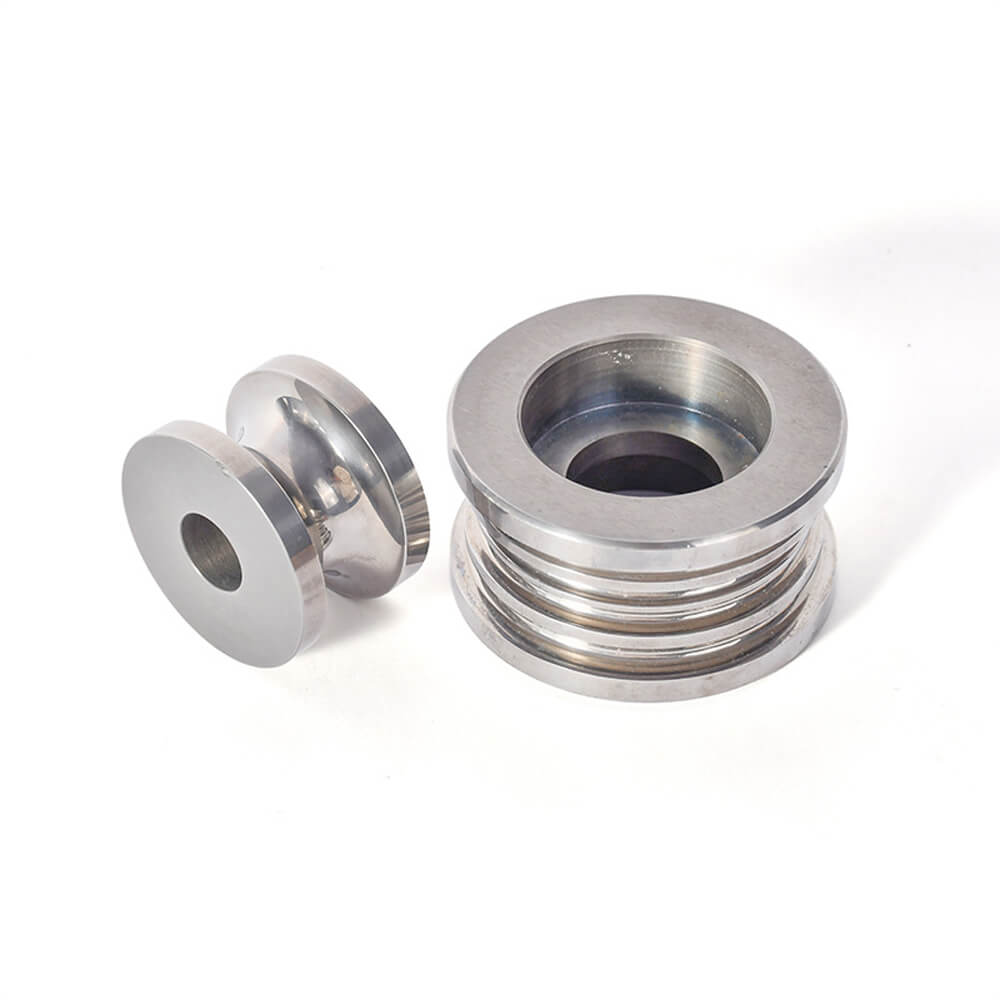
Stainless Steel
304/304L, 316/316L, 17-4 PH (Excellent for strength and corrosion resistance)
Carbon & Alloy Steel
1020, 1045, 4140, 8620 (For high-strength and wear-resistant parts)
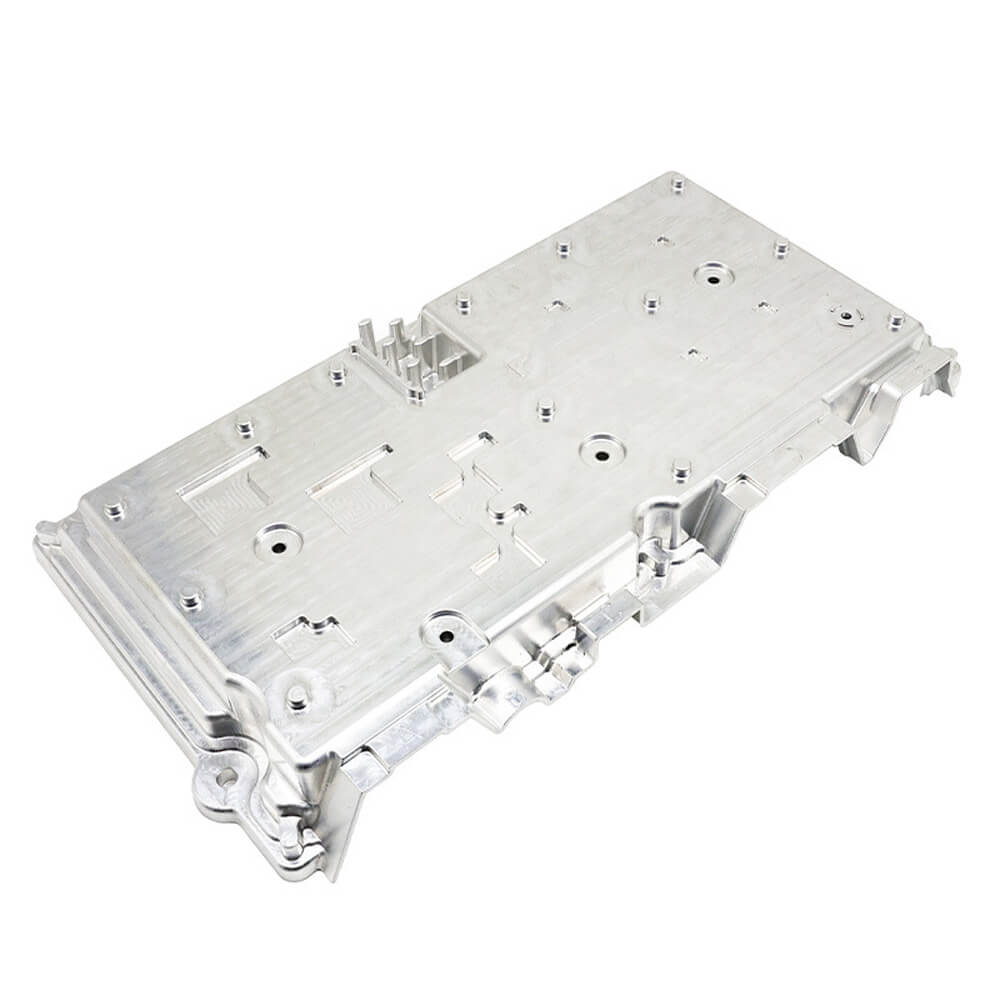

Copper-Based Alloys
Bronze, Brass (For bearings, marine hardware, and decorative parts)
Superalloys
Nickel-based (Inconel) and Cobalt-based alloys for high-temperature aerospace and turbine applications.
Have a Design Ready? Let's Make It Real.
Why Choose Us for Precision Casting
Exceptional Design Freedom
Investment casting allows for the creation of extremely complex internal and external geometries, undercuts, and fine details that are impossible or prohibitively expensive to achieve with any other single process.
Superior As-Cast Surface Finish
The process produces a much smoother surface finish (typically 3.2 Ra μm / 125 Ra μin) than sand casting or die casting, reducing the need for secondary polishing.
Tight Dimensional Tolerances
We can achieve excellent as-cast tolerances, often minimizing or completely eliminating the need for costly secondary machining operations on many features.
Vast Material Selection
From standard stainless steels to high-performance superalloys, investment casting is compatible with hundreds of different alloys, allowing you to choose the perfect material for your application.
Reduced Total Project Cost
By producing a near-net-shape part in a single process, we can significantly reduce material waste and subsequent machining time, lowering the overall cost for complex components.
Integrated Manufacturing Partner
We provide a complete solution, from casting and heat treatment to final CNC machining and finishing, all managed by a single, accountable partner.
Advantages of the Investment Casting Process
Create Complex, Near-Net-Shape Parts
The primary advantage is the ability to produce a part that is very close to its final dimensions, even with highly intricate features.
Reduce or Eliminate Machining
For many designs, the accuracy of the process is sufficient to eliminate the need for most, if not all, secondary machining.
Excellent Surface Finish
Delivers a smooth finish that is far superior to other casting methods, ideal for parts where aesthetics are important.
High Level of Detail
Can reproduce fine details like logos, lettering, and textured surfaces directly from the tool.
No Draft Angle Required
Unlike die casting, many investment cast parts can be designed with no draft angle on the walls, allowing for true vertical features.
Minimize Material Waste
As a near-net-shape process, it uses material far more efficiently than machining a part from a large block of solid billet.
From Design to Precision Part in 5 Key Stages
Tooling & Wax Injection
We create the mold and inject wax patterns to produce exact replicas of your part.
Shell Building
The wax patterns are assembled onto a "tree" and repeatedly dipped in a ceramic slurry and sand to build a hard shell.
Dewaxing & Burnout
The shell is heated in an oven, which melts out the wax (the "lost wax") and cures the ceramic mold..
Pouring & Finishing
Molten metal is poured into the hot ceramic mold. Once cooled, the shell is broken away, and the parts are cut from the tree and finished.
Machining & Inspection
We perform any required secondary CNC machining and then rigorously inspect the final parts before shipping.
Precision Casting (Investment Casting) Services - Celerity Precision

Are you looking for a reliable partner to create intricate metal parts with a lot of accuracy? Lost wax casting, or precision casting, is a way to make precise metal parts with very tight tolerances.
Celerity Precision is experienced in providing precision casting services of the highest quality in China. We make sure that all of our custom parts meet the highest requirements by using our state-of-the-art equipment and expert staff.
We can make complicated shapes because we know a lot about precision investment casting. Because of this, it is a top choice for industries that demand intricate metal parts, such as aerospace, medical, and automotive.
Important Points
- Making metal pieces with a lot of accuracy
- Difficult shapes with tight tolerances
- Knowledgeable about precision investment casting
- Modern facilities and a skilled workforce
- Custom parts for strict requirements
Introduction
Investment casting, also known as precision casting, is an old technology that has changed to fit the needs of the aerospace and medical areas today. It begins with constructing a wax model of the part that is needed. Then, a substance that doesn’t burn is utilized to cover it. When the wax melts, the gap fills with hot metal.
What is precision casting or investment casting?
Investment casting is a precise way to make complicated metal pieces. It starts with a pattern made of wax. Then, a refractory material is used to cover this to produce a ceramic shell. After the wax has dried, it is taken out and the cavity is filled with molten metal. This approach works great for pieces that are thin and have complicated shapes.
The Process’s History and Development
Investment casting has been around for a long time, going back thousands of years. Ancient civilizations like Egypt and China used it to make jewelry and ornaments. Today, it’s employed in the aerospace, medical, and energy industries for parts that need to be very precise and complicated.
Important Uses and Fields
Many industries utilize investment casting because it can make complicated parts with great accuracy. Some important areas are:
- Aerospace: parts for engines and turbine blades
- Medical: tools for surgery and implants
- Jewelry: complicated patterns and designs
- Energy: parts for turbines and valves
Investment casting is an important part of modern production since it can be used in so many different ways. It makes it possible to make parts that fulfill tight industry standards.
| Industry | Typical Applications | Key Requirements |
|---|---|---|
| Aerospace | Turbine blades, engine components | High precision, complex geometries |
| Medical | Surgical instruments, implants | High accuracy, biocompatibility |
| Jewelry | Intricate designs, complex patterns | High detail, surface finish |
Materials and Alloys Used

Choosing the correct materials is very important when investment casting. We have a lot of different options to meet the needs of many industries.
Different Kinds of Metals and Alloys
Many metals can be used for investment casting. Stainless steel and titanium are the best choices. They are sturdy, don’t rust, and can bear high temperatures effectively.
We also work with superalloys, alloy steel, and carbon steel. The correct material relies on what the product needs.
Important Properties for Casting
It is very important to know what a material is made of. Some of the more important ones are:
- Fluidity: How nicely the metal fits into the mold.
- Melting Point: The temperature at which the metal melts, which affects the casting.
- Shrinkage: When the metal hardens, its volume changes, which means that the mold needs to be changed.
Here’s a list of several common materials and their most important features:
| Material | Melting Point (°C) | Fluidity | Shrinkage (%) |
|---|---|---|---|
| Stainless Steel | 1450–1510 | High | 2–3 |
| Titanium | 1668 | Medium | 3–4 |
| Carbon Steel | 1400–1500 | High | 2–3 |
We build great castings by choosing the right material and knowing what it can do. These fit our clients’ demands perfectly.
Investment Casting Process / Steps
Investment casting is a complicated technique that turns raw materials into pieces. We’ll look at the most important steps in this exact method.
Tools and Design
The first step is to design and make the tools. Based on the part’s requirements, a master die is constructed. This die makes patterns out of wax. The design step is very important for the quality and precision of the casting.
Important things to think about when designing and making tools are:
- Making master dies with precision
- Choosing the right material for the die
- Design for making things
Making a Wax Pattern
You may make wax patterns by injecting wax into a die or 3D printing them. The procedure used depends on how complicated the pattern is and how many copies need to be made.
Making the wax pattern is very important. Any faults with the wax can cause problems with the finished product.
Putting Together Wax Patterns and Tree Structure
Once the wax designs are made, they are fitted together in the shape of a tree. This is done by putting them together in a central sprue that looks like a tree. A big ceramic shell is then put over the tree.
You need to be careful when putting it together. It’s crucial for the casting to be of good quality.
Building a Ceramic Shell or Investment Layer
Investment layering builds the ceramic shell around the wax tree. The tree is soaked in a slurry of ceramic and then in a material that doesn’t burn. You have to do this a lot to achieve the correct thickness of the shell.
“The ceramic shell must be strong enough to withstand the high temperatures during the casting process, yet it must also be able to be easily broken away from the casting after it has solidified.”
| Step | Description | Key Considerations |
|---|---|---|
| Design & Tooling | Creation of master die and wax patterns | Precision, material selection |
| Wax Pattern Creation | Producing wax patterns via injection or 3D printing | Pattern complexity, production volume |
| Assembly of Wax Patterns | Creating a tree structure with wax patterns | Pattern attachment, alignment |
| Ceramic Shell Building | Investment layering around the wax tree | Shell thickness, material strength |
Design Considerations and Best Practices
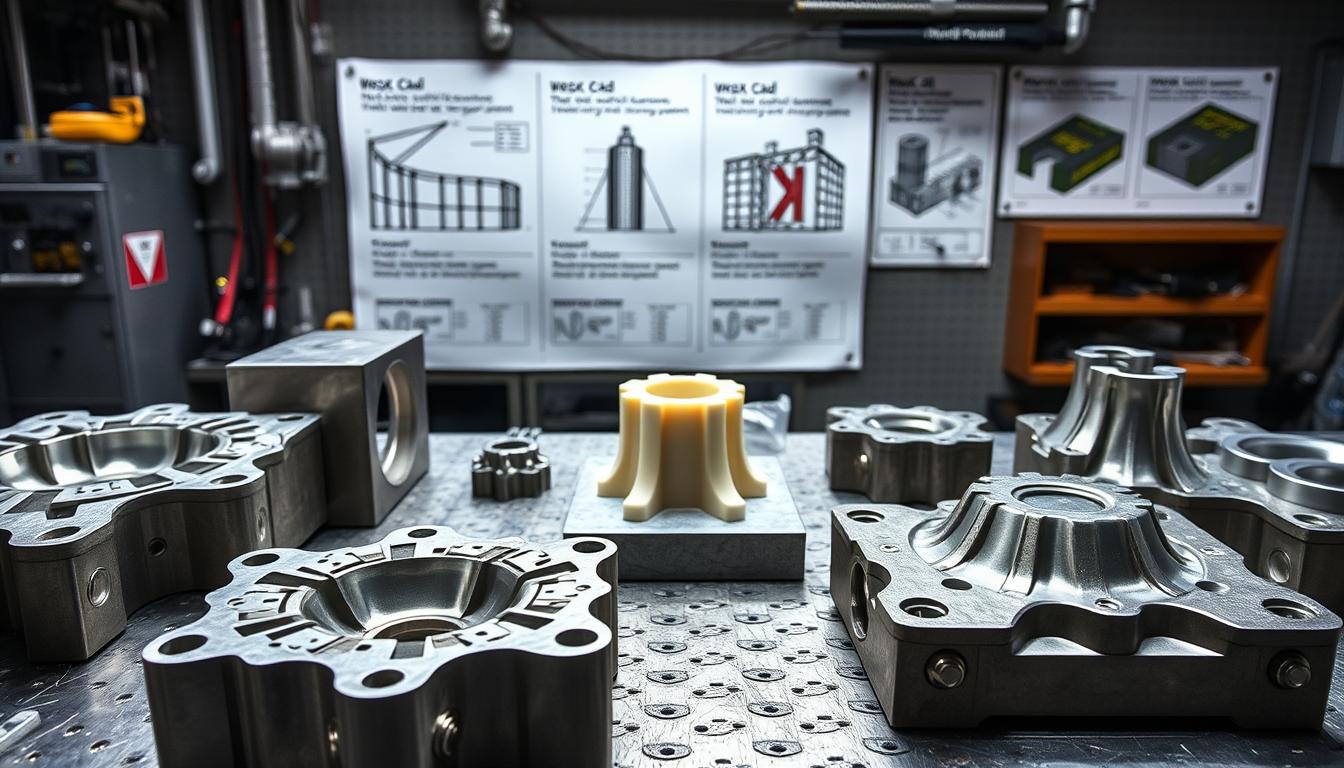
Careful planning and implementing best practices are key to the success of investment casting projects. We will talk about the most important things that designers need to think about to get the greatest outcomes from investment casting.
Expectations for Surface Finish and Dimensional Tolerances
Investment casting relies heavily on dimensional tolerances and surface finish. The dimensions of a casting might vary within certain limits, which are called tolerances. Depending on the size and complexity of the item, we normally get tolerances of ±0.1 mm to ±0.5 mm.
| Dimensional Tolerance | Typical Range |
|---|---|
| Small Castings | ±0.1 mm |
| Medium Castings | ±0.3 mm |
| Large Castings | ±0.5 mm |
The surface finish is how smooth and textured the casting’s surface is. Investment casting may provide a surface polish that is usually between 1.6 μm and 3.2 μm Ra.
Thickness of the Wall, Angles of the Draft, and Complexity of the Features
For investment casting, designers need to think about how thick the walls should be, how steep the drafts should be, and how complicated the features should be. Even the thickness of the walls is vital to keep them from shrinking or warping. Draft angles assist get the design out of the mold.
Core Design, Internal Cavities, and Undercuts
Core design is very important for making undercuts and interior cavities in investment castings. We employ cores to build shapes that are too complicated for regular casting procedures to make.
Ways to deal with Shrinkage, Distortion, and Compensation
Investment casting often causes shrinkage and deformation. To fix these problems, we employ alternative ways to pay, such as changing the pattern or the mold design.
We can make the investment casting process better by learning about and using these design factors and best practices. In this approach, we can manufacture castings that are of excellent quality and meet the requirements.
Advantages of Investment Casting
There are many benefits to investment casting that make production better. It is an important approach in many fields since it makes parts with very precise and complicated shapes.
High Accuracy and Precision in Dimensions
One of the best things about investment casting is how accurate and precise it is in terms of size. This is very important in industries where pieces have to fit exactly. It lets parts with intricate designs and few mistakes be made.
Great Finish on the Surface
People know that investment casting makes surfaces very smooth. The ceramic shell utilized in the procedure makes the pieces smooth. This saves time and lowers the cost of making things.
Ability to Cast Thin Walls, Complex Shapes, and More
Investment casting can make walls that are thin and shapes that are hard to make. This is very helpful in the sectors of medicine and aerospace. Parts with detailed designs and exact internal structures are needed in these fields.
Material Flexibility and Making Things That Are Almost the Right Shape
Investment casting may use a wide range of metals and alloys because it is adaptable. It also makes pieces that are almost the right shape. This cuts down on waste and expenditures.
To sum up, the benefits of investment casting are evident. It is very accurate, gives a superb surface polish, can handle complicated shapes, and can be made from a variety of materials. Because of these factors, it is a top pick in many fields.
Limitations and Disadvantages

There are several problems with the investment casting process. It can make complex forms with great accuracy. But there are certain things to keep in mind about its limitations for some uses.
High Costs of Tools and Upfront Costs
The exorbitant expense of making the master pattern and the ceramic shell mold is a huge problem. These expenditures can be significant, which makes it less cost-effective for small runs or one-offs. Before we choose investment casting, we need to think about the prices.
Making complicated patterns with lots of small details costs a lot of money. The pattern is formed of wax or something similar, which is expensive to make.
Longer lead time and cycle time for production
Investment casting takes longer than other ways to do things. This is because there are a lot of steps, such as making patterns and manufacturing shells. It can also make it harder for us to meet deadlines.
- Making wax patterns and putting them together to make a tree structure takes time.
- The long lead time is also due to the fact that the shell is made up of many layers of ceramic.
- If there are any problems during casting, the job will have to be redone, which would slow down production even further.
Limits on size and weight
There are constraints on the size and weight of investment casting. The equipment, such as the size of the furnace and the capacity of the shell, limits the size. When we design pieces, we need to keep these restrictions in mind.
The bigger the castings, the more likely it is that they will have problems like warping and cracking. To control these risks, you need to be very careful with design and process.
Vulnerability to Flaws (Porosity, Incomplete Filling, Shell Cracks, etc.)
Even though they are made by investment casting, they might still have problems like porosity and shell cracks. These can change how well the product works and how good it is.
We use quality control methods like radiography and penetrant testing to lower these dangers. These assist find problems early on in the production process.
In conclusion, investment casting has both pros and cons. Some of these are high costs for tools, longer lead times, size constraints, and the chance of defects. We can make a better choice about whether or not investment casting is right for us if we know these things. To get around these problems, we can also work on making designs and processes better.
Quality Control, Inspection and Testing
To make parts that satisfy specific standards, it is important to make sure that the investment castings are of high quality. Quality control is an important feature of the investment casting process. It helps create parts that meet tight industry standards.
There are a number of quality control measures that are followed to make sure the final product is of high quality. These are ways of testing that don’t damage the object, measuring dimensions, and looking at surface finishes.
Ways to Test That Don’t Damage Things
Non-destructive testing (NDT) procedures verify the quality of investment castings without breaking them. Some common NDT methods are:
- X-ray inspection (radiography)
- Testing with liquid penetrants
- Testing with magnetic particles
- Testing with sound waves
These procedures assist uncover flaws on the inside and outside. They make sure the castings are up to quality standards.
Checking Dimensions and Tolerances
It is very important to check the measurements to make sure that investment castings fulfill tolerance criteria. This means using instruments like optical comparators or coordinate measuring machines (CMMs) to measure the castings.
| Dimensional Inspection Method | Accuracy | Application |
|---|---|---|
| CMM | High | Complex geometries |
| Optical Comparator | Medium | Simple to moderate geometries |
Checks for Cleanliness and Surface Finish
For investment castings to work right, the surface must be clean and smooth. Checks for surface polish look at how rough and textured the surface is. Checks for cleanliness make sure there are no dirt or other impurities.
“The surface finish of investment castings is critical for applications where friction, wear, or corrosion resistance is important.”
Manufacturers can develop high-quality investment castings by adopting tight quality control methods such non-destructive testing, dimensional inspection, and surface finish checks. These castings meet all the requirements.
Applications

People utilize investment casting for a lot of things, such producing jewelry and turbine blades. The most important thing about it is that it can make complex forms with great accuracy. People in the aerospace, medical, and art professions employ it because it can make detailed designs and smooth finishes.
Common Parts Made with Investment Casting
Investment casting is a wonderful way to make parts with thin walls and complicated forms. Here are several examples:
- Turbine blades and vanes for use in the aerospace industry
- Surgical tools and medical implants
- Decorative and jewelry things
- Valves and fittings for use in factories
- Parts for gas turbines and other machines
These pieces have very precise shapes and smooth surfaces. This means that they usually need less machining.
Examples from the business world
Investment casting is utilized in a lot of different fields, such as:
- Aerospace: For creating turbine blades, engine parts, and other important things that need to be precise and dependable.
- Medical: To make implants, surgical tools, and other medical items that need exact plans and are safe for the body.
- Art and Jewelry: To make gorgeous, complicated shapes and designs that are typically seen as art.
Experts argue that “investment casting’s ability to make parts with complex shapes and fine details makes it crucial in many high-tech industries.”
Cost Factors and Economic Considerations
There are a few important things that affect the cost of investment casting. These things are vital to think about while choosing if investment casting is the best way to make some parts or pieces.
Cost Elements: Tooling, Materials, Labor, Post-Processing
The entire cost of investment casting is made up of a number of different components. These are:
- Costs of Tools: The earliest tooling, such as master dies and patterns, costs a lot of money to make. These expenses are affected by how complicated the part’s design is.
- Costs of materials: The cost of the metals and alloys used for casting and the ceramic shell adds to the cost.
- Labor expenses: Labor expenses include the pay for skilled personnel who make patterns, assemble shells, cast, and do post-processing.
- Costs for machining, grinding, or surface treatment to acquire the right finish and accuracy are extra after the fact.
When Investment Casting Is Better for Your Money Than Other Methods
In some circumstances, investment casting might save money. For examples;
- It’s a wonderful alternative when you need to make complicated shapes or pieces with elaborate designs that other methods can’t manage.
- Making pieces that need to be very precise and accurate, which means they don’t need to be machined as much later.
- Working with materials that are hard to cut or shape with normal methods.
- Making small to medium-sized batches so that the expense of tools can be spread out across a few production cycles.
To sum up, investment casting is expensive, but it’s a terrific way to make pieces that are complicated and exact. Manufacturers should think about these costs and benefits to find the optimal way to make things for their purposes.
Future Trends and Innovations

Better materials, automation, and eco-friendly procedures are making investment casting change quickly. The sector is getting bigger, and new trends are making things better.
Better Materials for Molds and Shells
People are working on new materials for shells and molds. Researchers are looking at advanced ceramics and materials that can withstand heat. They want to build molds that last longer and can handle heat better, which will let them make more detailed castings.
These new materials can make finishes smoother and cut down on the amount of labor that needs to be done after casting. For instance, nanomaterials can make shells thinner and better at holding heat when used in shell building. This could save money and be better for the environment.
| Material | Properties | Benefits |
|---|---|---|
| Advanced Ceramics | High thermal resistance, durability | Better surface finish, reduced processing |
| Nanomaterials | Enhanced thermal properties, reduced thickness | Lower material costs, reduced environmental impact |
Automation, 3D Printing, and Additive Patterns
3D printing and automation are transforming the way investment casting works. With 3D printing, you can make complicated wax patterns and molds with great accuracy. This saves time and makes castings harder to do.
Automation is also making it easier to put together wax patterns and put on ceramic shells. This trend will probably get bigger, especially with robots and AI making things even better.
Improvements in Sustainability, Waste Reduction, and the Life Cycle
Investment casting is all about being sustainable these days. People are working to reduce waste and make the environment better. This means employing materials that can be recycled and melting and pouring them more efficiently.
Companies also want to use less energy and leave a smaller carbon imprint. The industry may save money and have less of an effect on the environment by going green.
- Materials that can be recycled
- Processes for melting and pouring that work well
- Less energy use
These trends point to a bright future for investment casting. Companies can uncover new opportunities and lead the way by employing new materials, technology, and eco-friendly practices.
Glossary of Key Terms

To get through the investment casting sector efficiently, you need to know the phrases utilized. In this post, we’ve spoken about a lot of different components of investment casting. A full dictionary can help you learn more and talk to other people in the subject.
The table below shows several essential words and what they mean. It’s a helpful guide to the terminology that are unique to the field.
| Term | Definition |
|---|---|
| Investment Casting | A way to make parts by creating a wax model, covering it with a heat-resistant material, and then removing the wax to pour in metal. |
| Ceramic Shell | A heat-resistant material used to make the mold for pouring in metal. It's made by layering ceramic slurry around the wax model. |
| Wax Pattern | A wax copy of the part to be made, which is melted out to create a space for the metal. |
| Pattern Assembly | The step of joining several wax patterns to a central stem or tree. This makes it easier to cast many parts at once. |
If you learn these important terminology in investment casting, you’ll have a better understanding of how it works. You will also be able to talk to other people in the field more clearly.
Final Thoughts
Investment casting, often called precision casting, is still one of the most advanced and flexible ways to make complicated metal parts with very high accuracy and surface quality. This method helps businesses that need both accuracy and performance, from aerospace turbine blades to medical implants and jewelry.
China is becoming the world leader in precision casting services because it has more experience and better facilities. Companies like Celerity Precision use new technology, talented workers, and stringent quality control to make parts that are reliable and work well. Clients from many different industries trust them because they can work with a wide range of materials, complicated shapes, and strict tolerances.
Investment casting has some problems, such greater tooling costs and longer production periods, but the benefits of making intricate, high-quality parts far outweigh the problems. The future of investment casting appears better than ever thanks to ongoing improvements in automation, 3D printing, and eco-friendly materials.
If you require complex parts, strong alloys, or reliable production help, working with a precision casting expert in China will make sure that your goods exceed the highest worldwide standards for quality, accuracy, and efficiency.
FAQs
What is the process of investment casting?
Investment casting, which is also called precision casting or lost-wax casting, is a way to do something. It starts with a wax pattern that is covered in a material that doesn’t melt. After then, the wax is melted away, leaving a hole. There is molten metal in this hole.
What are the pros of investment casting?
There are many good things about investment casting. It has a clean surface finish and is quite accurate. It can also deal with different materials and make shapes that are hard to make.
What kinds of things can be utilized for investment casting?
There are a lot of things that can be used in investment casting. This comprises metals like stainless steel, titanium, ferrous and non-ferrous metals, and alloys.
What are the drawbacks of investment casting?
There are various problems with investment casting. Setting it up can cost a lot of money, and making it takes longer. It also has constraints on how big and heavy it may be. Also, it can have problems like porosity and not being completely filled.
How do you keep quality control in investment casting?
There are a number of ways to make sure that investment casting is of high quality. These include verifying the surface finish, checking the proportions, and testing that the item doesn’t break.
What are some common uses for investment casting?
Many businesses employ investment casting. In aircraft, medicine, jewelry, and turbines, it is employed. It helps produce pieces that are hard to make, such turbine blades and valves.
How does investment casting stack up against other casting methods?
Investment casting is better than other methods in some ways. It gives you a better finish and more accurate results. It is also quite good at making complicated forms.
How much does it cost to invest in casting?
The price of investment casting is different. It relies on the expenses of tools, materials, labor, and post-processing.
When is it cost-effective to use investment casting?
Investment casting is a good way to make complex parts without spending a lot of money. It’s also useful for pieces that demand a smooth surface and high accuracy. It’s great for pieces with thin walls or shapes that are hard to work with.
What are some new ideas and trends that will happen in investment casting in the future?
Better mold and shell materials, automation, 3D printing, and additive designs are all things that will happen in the future. Another important area of focus is sustainability and cutting down on waste.
Precision Casting FAQ
What is the difference between precision casting and die casting?
Precision casting (investment casting) uses an expendable ceramic mold, which allows for more complex shapes and a wider range of materials (like steel). Die casting uses a reusable metal mold and is better suited for lower-melting-point alloys (like aluminum and zinc) in very high volumes.
What is "near-net-shape"?
It means the part comes out of the mold very close (“near”) to its final (“net”) dimensions, requiring minimal secondary machining.
What kind of tolerances can you hold with investment casting?
Typical as-cast tolerances are around ±0.1mm for the first 25mm. We can hold tighter tolerances, but it depends on the part size and complexity.
What is the tooling cost for investment casting?
The initial tooling cost for the wax injection mold is moderate, less expensive than a high-pressure die casting die but more than the pattern for sand casting.
What is the smoothest surface finish you can achieve?
We can consistently achieve an as-cast surface finish of around 3.2 Ra μm (125 RMS). A much smoother finish can be achieved with secondary polishing.
Is this a good process for prototypes?
Yes, it can be. While there is a tooling cost, it is often more cost-effective to make a tool and investment cast a complex prototype than to try and machine it from a solid block of metal.